Lagos, Nigeria · Douala, Cameroon
The data that was never licensed.
Texa Data is a supply house. We find material that has never been licensed to anybody — radio and podcast back-catalogues, film and documentary libraries, company document archives, property and institutional records — clear it per asset, clean it, annotate it, and deliver it to the companies that buy data. Where the material does not exist at all, we go and originate it.


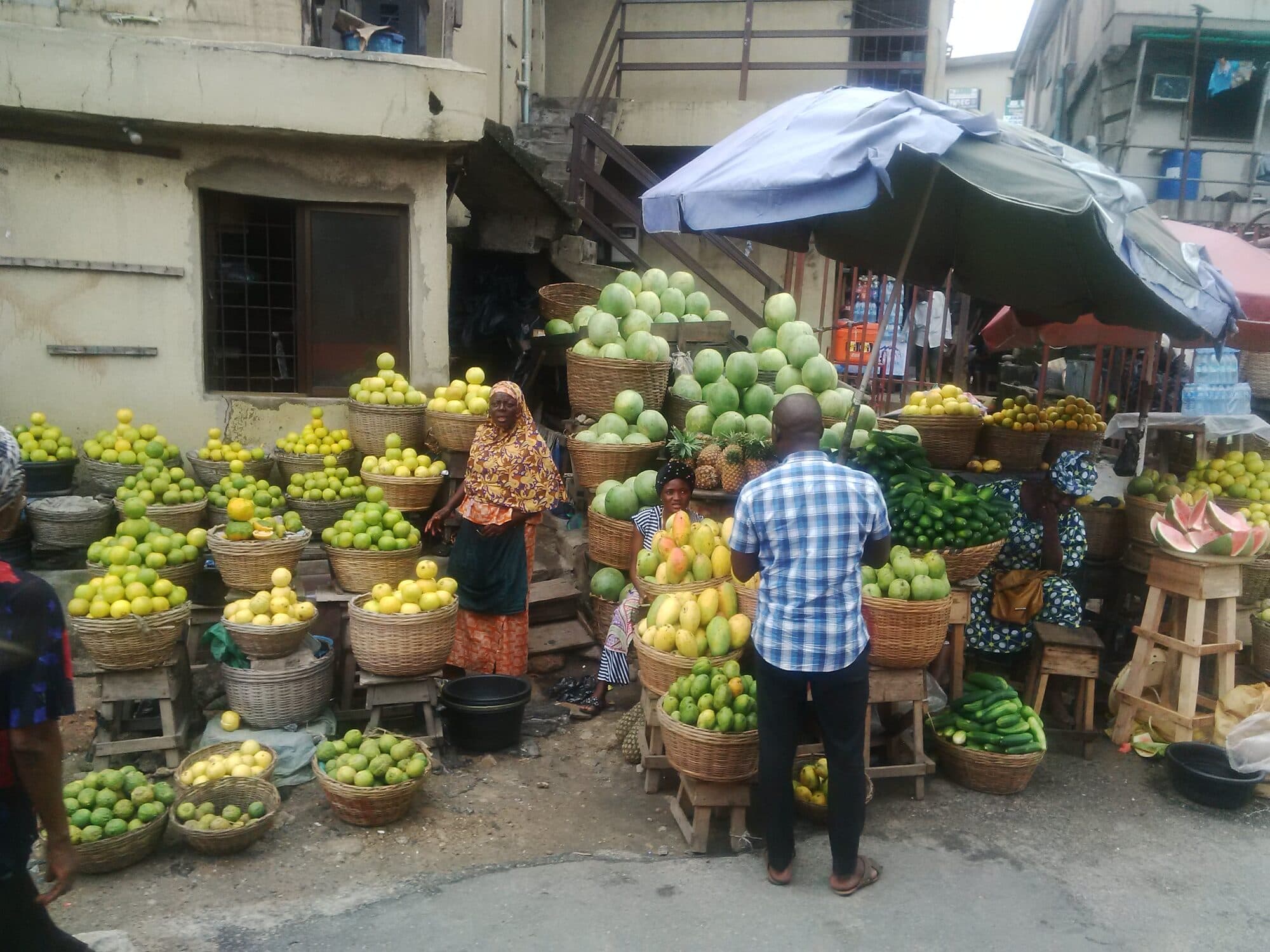
Two absences here: what nobody cleared, and what nobody filmed.
Public text is running out and the labs have moved to licensing. But that market organised itself around archives that were already represented — broadcast libraries, publisher backfiles, studio catalogues, every one of them with an agent. West and Central Africa has decades of radio, call-in programming, broadcast and film, and not one aggregator working it. And beyond the tape, there are working environments nobody ever pointed a camera at. Neither absence is about access. Both are about work nobody has done.
- 12,628hours
The largest validated African multimodal speech dataset, covering forty languages between them.
African Languages Lab, 2026
- 88per cent
Of African languages are classified as severely underrepresented or entirely ignored in computational linguistics.
Voice of a Continent, arXiv 2505.18436
- 395million
Speakers of the eight languages we work across, against a licensed commercial corpus that is, for practical purposes, zero.
Speaker estimates, all varieties
What is already open — and what it does not cover.
Three corpora landed in 2026 that bear directly on this argument, and a buyer who has read them will raise them whether or not we do. So we raise them first. Two are free, enormous and worth taking. None of them holds the material below.
- Egocentric-100K
- Build AI · Hugging Face, 2026
- 100,405 hours · 2,010,759 clipsApache 2.0
- EgoStandard
- Lightwheel · Hugging Face, 2026
- 100,000 hours · 15,000+ tasks and scenesOpen
- Ego4D
- Meta AI, 2022
- 3,670 hours · 923 participants · 74 locationsRestricts commercial use
- WAXAL
- Google with Makerere, University of Ghana and Digital Umuganda — February 2026
- 11,000+ hours · ~2m recordings · 21 languagesOpen
Seven supply lines, and we are explicit about which are stocked.
Two states, marked on every line. Live means there is cleared material or a running capture programme behind it and you can take delivery against a spec. Intake means we clear it to your mandate and hold no standing stock — no inventory, and in one case no public sample, ever. A supplier who blurs that line is asking you to discover it later.
Material that already exists and has never been licensed. Moves at the speed of a rights audit.
Cleared African archive — radio, broadcast, film
LiveDecades of in-language radio, broadcast and film sitting in archives that were never contracted for machine learning, in a market with no aggregator working it.
In-language conversational audio
LiveUnscripted, multi-speaker, overlapping speech in languages with effectively no licensed commercial corpus — from cleared archive and from purpose-built collection.
Material that does not exist until we go and make it. Moves at the speed of a brief.
Egocentric & real-world capture
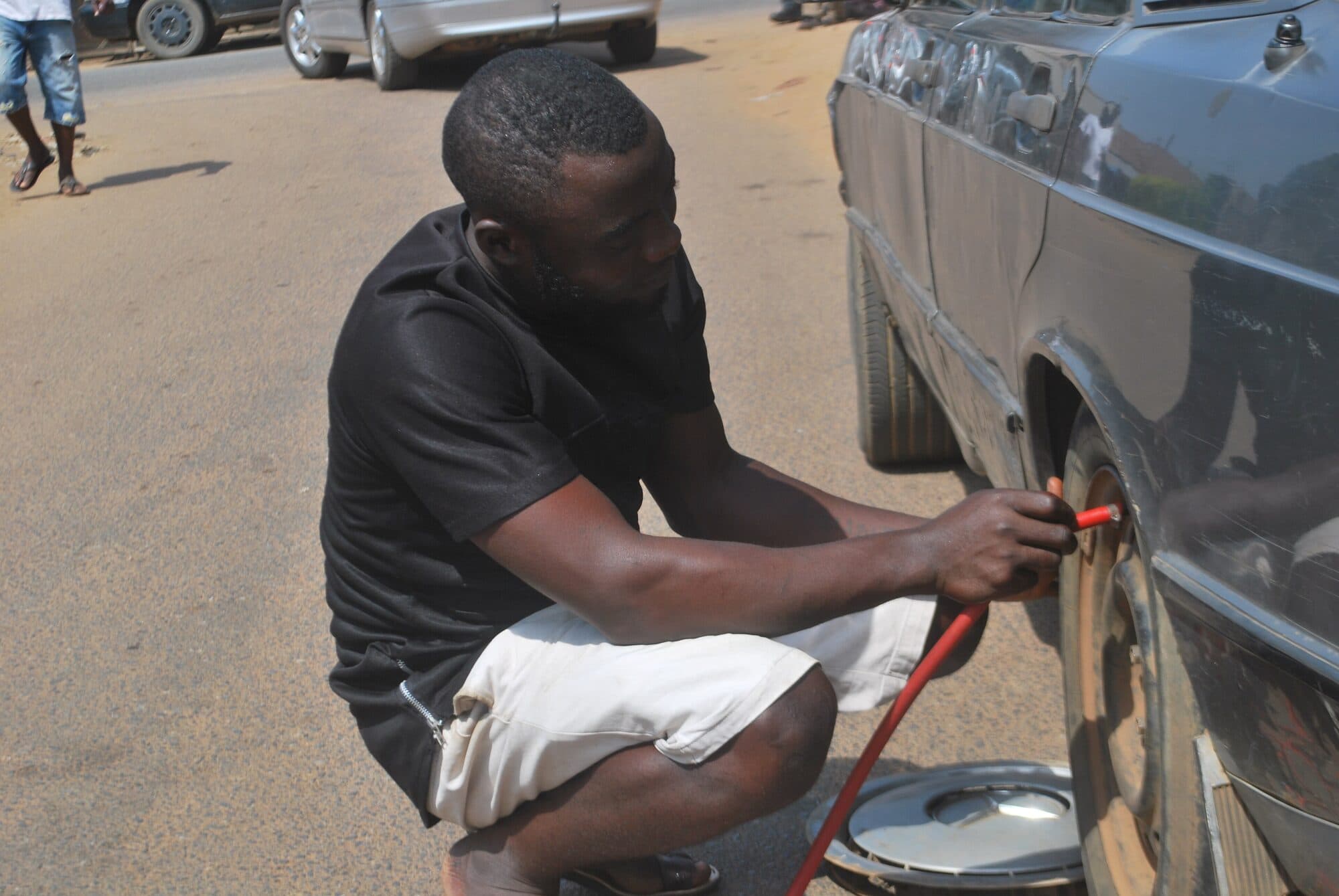
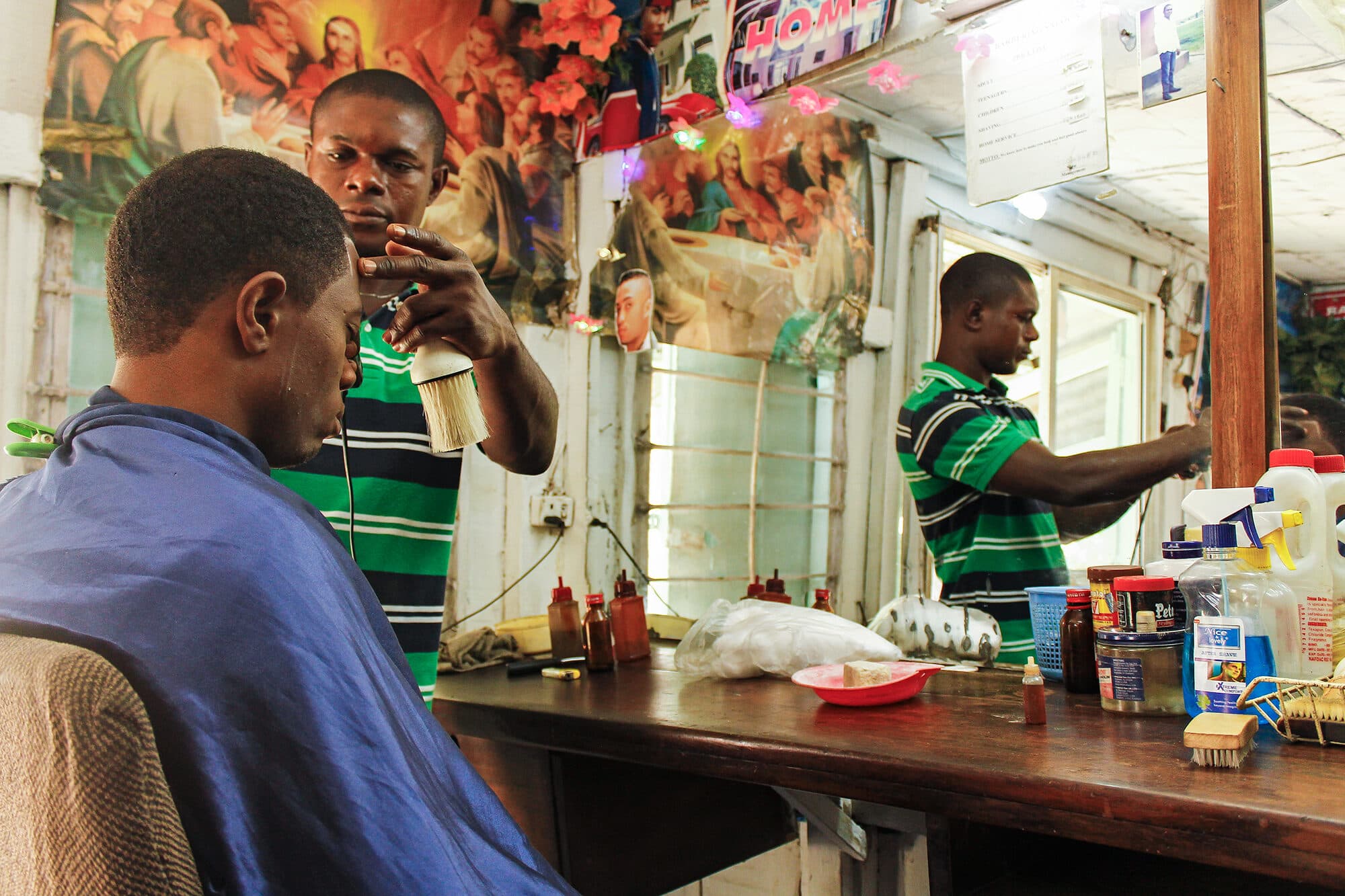
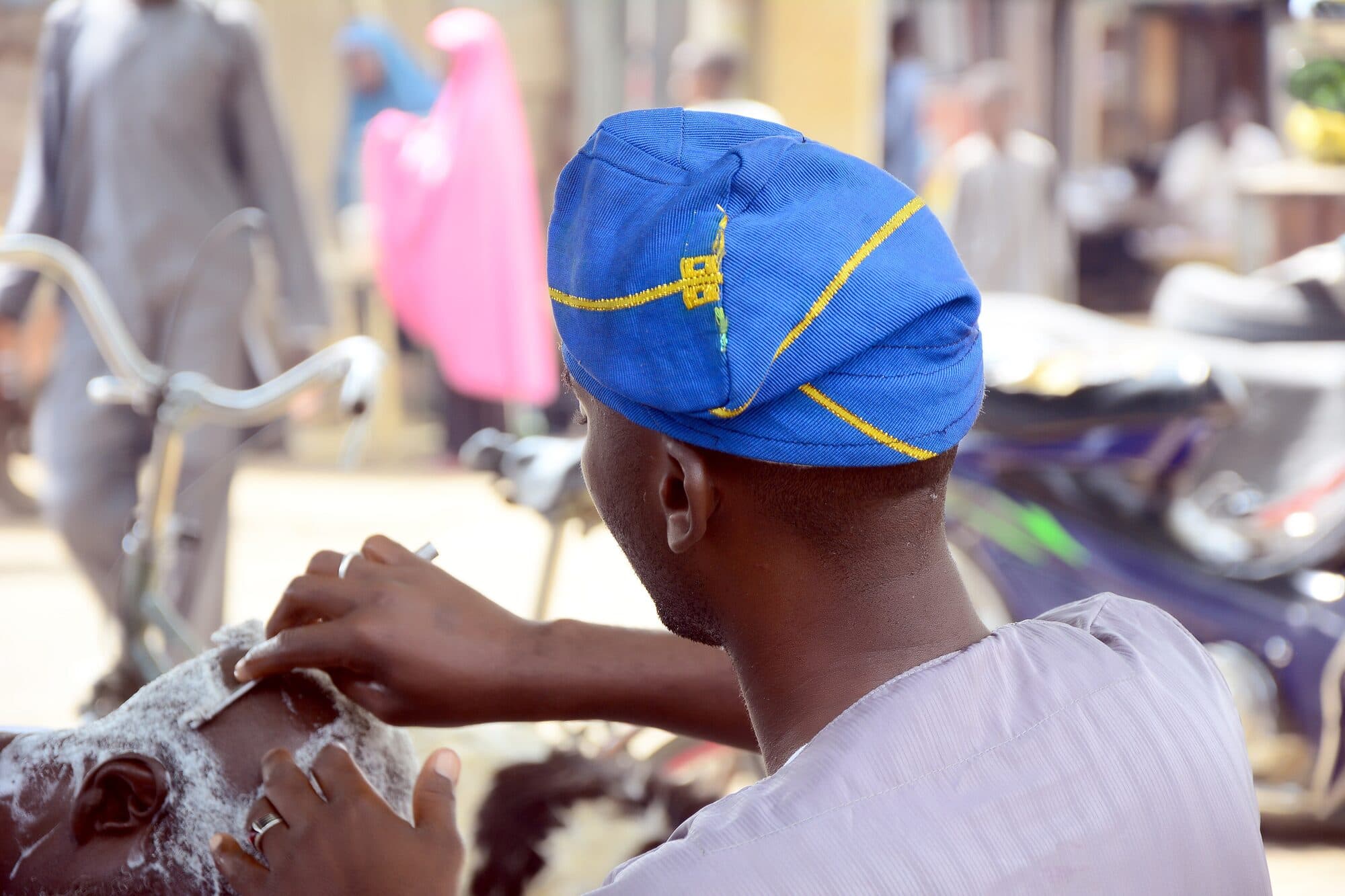
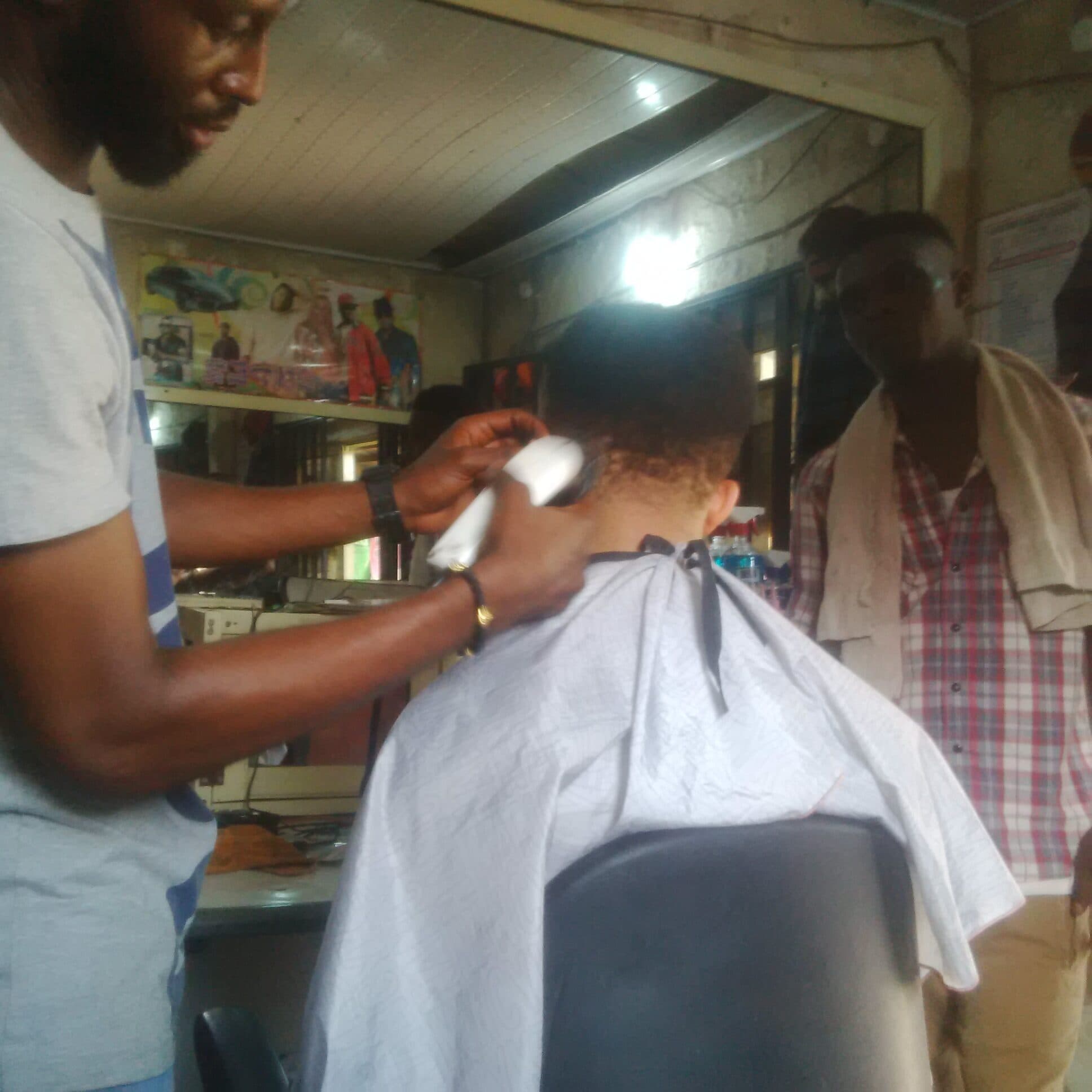
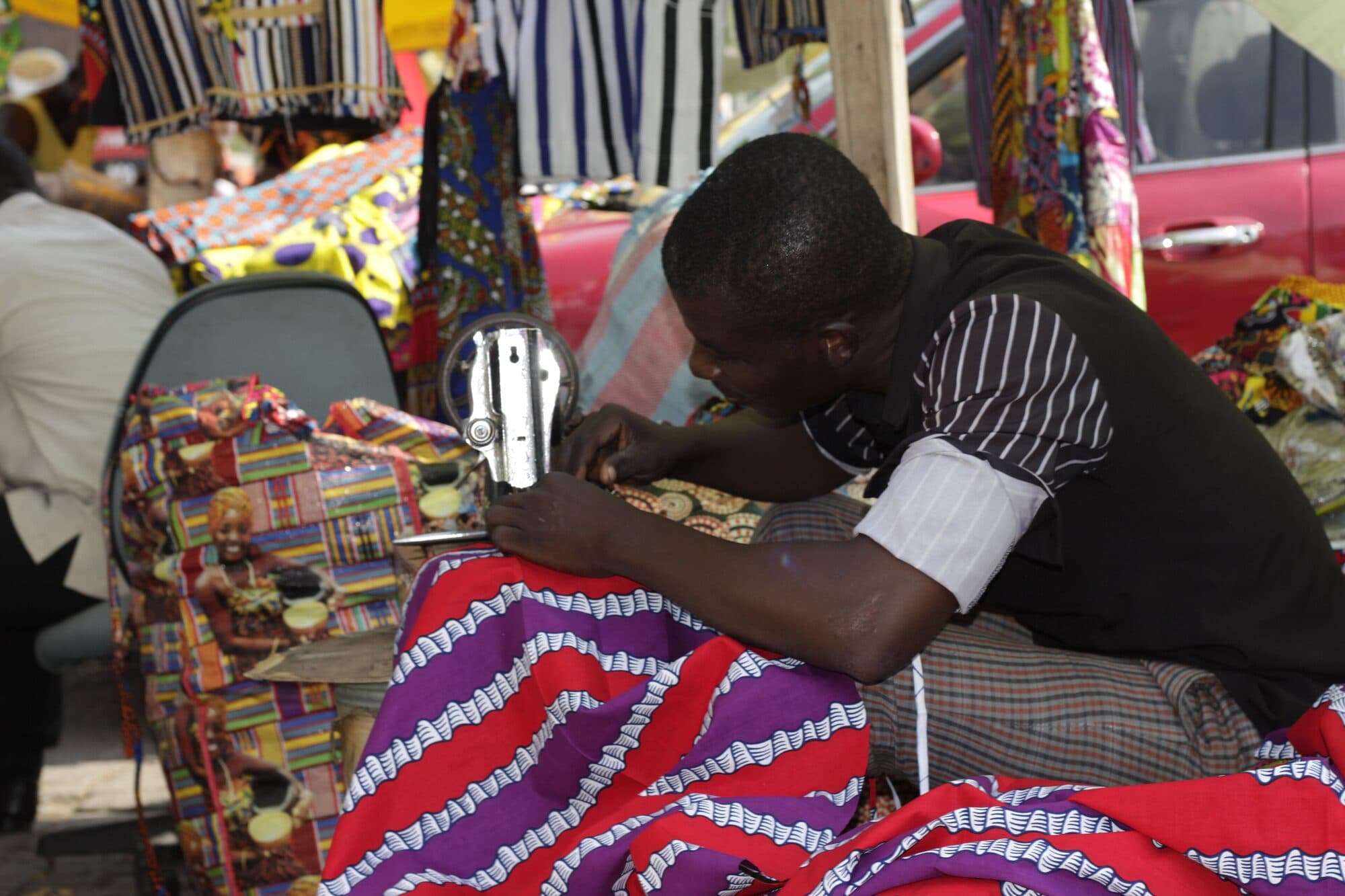
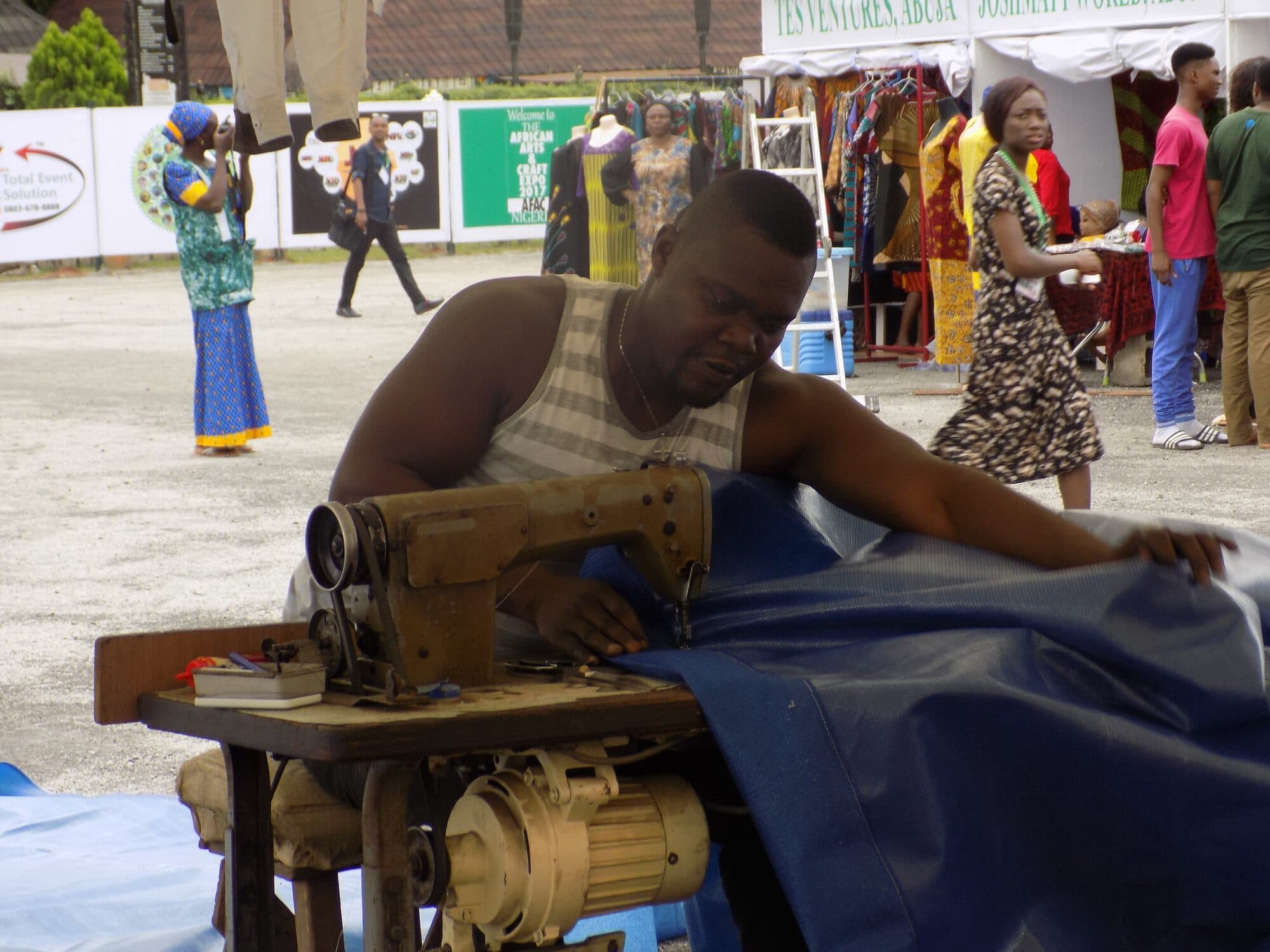
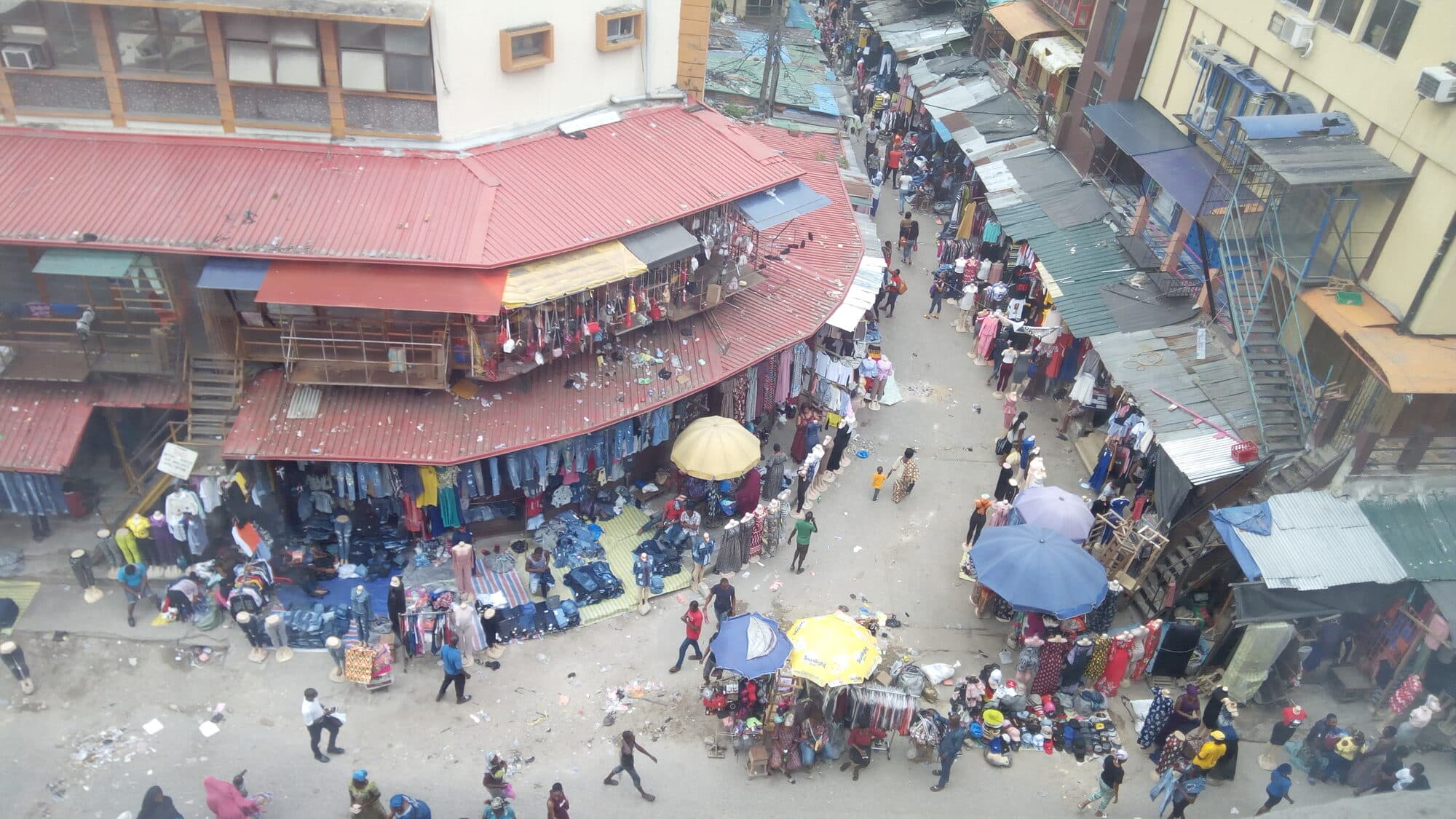
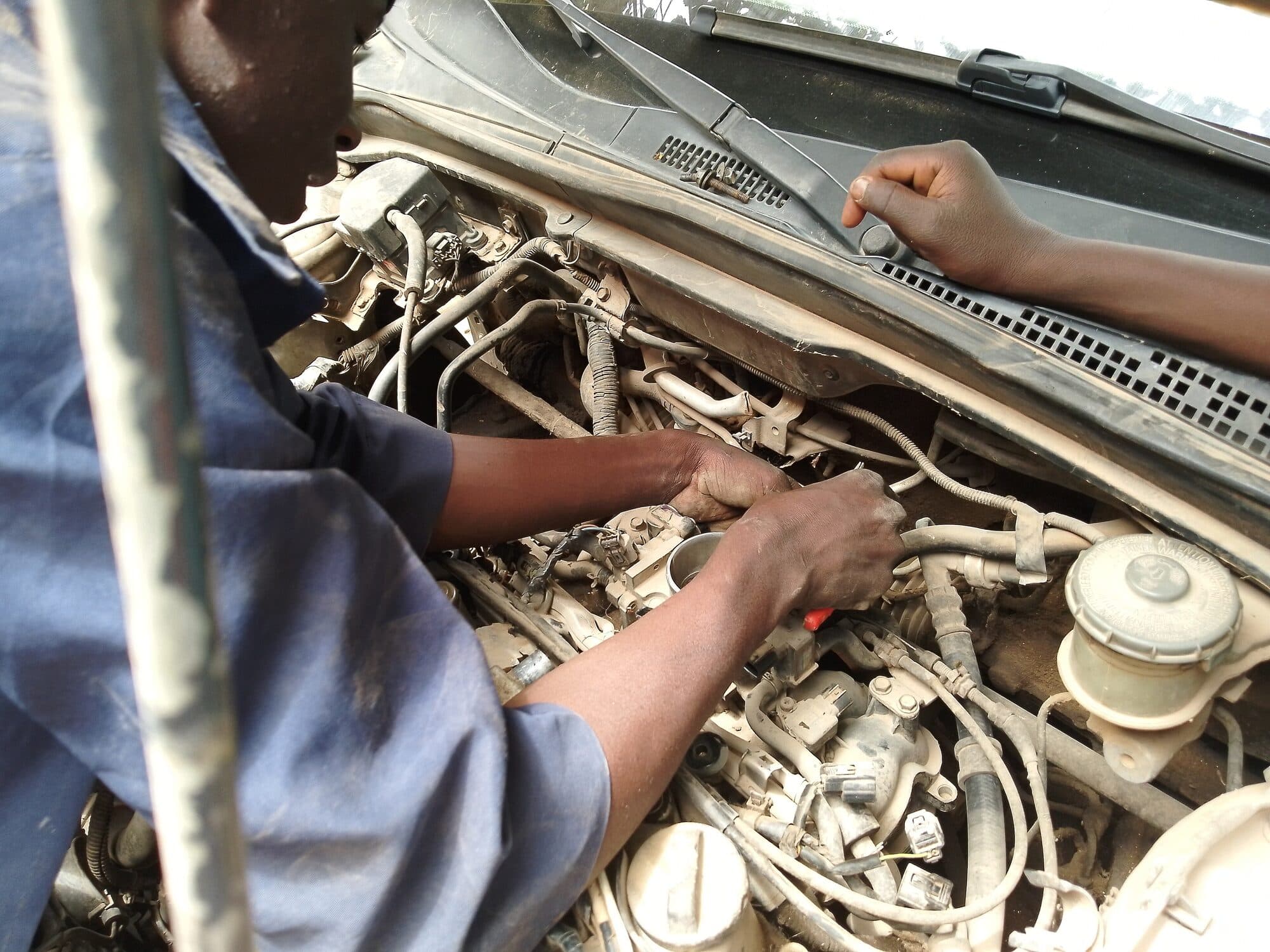
LivePurpose-collected, head- and chest-mounted first-person video from working environments that cannot be collected anywhere else.
Instrumented & sensor-layered capture
By mandateThe premium tier of embodied data — multi-rig, force-instrumented capture of manual work, stood up against a funded brief.
Structured and document data, cleared to a named mandate. No standing stock by design.
Enterprise & operational documents
By mandateCompany archives, contracts, correspondence, forms, technical manuals and printed matter — the document layer that extraction and document-understanding models are starved of outside Europe and North America.
Property & transaction records
By mandateListings, valuations, title histories and completed-deal records from agencies, developers and estate surveyors — the structured layer under African urban property, which no dataset currently describes.
De-identified institutional & financial records
By mandateTransaction, statement and ledger records supplied by the institution that holds them, de-identified before they leave the building, and licensed for model training under a data-sharing agreement.
Published reference collections
One worked example per environment, complete with its instruments, so the standard can be inspected before anything is commissioned.
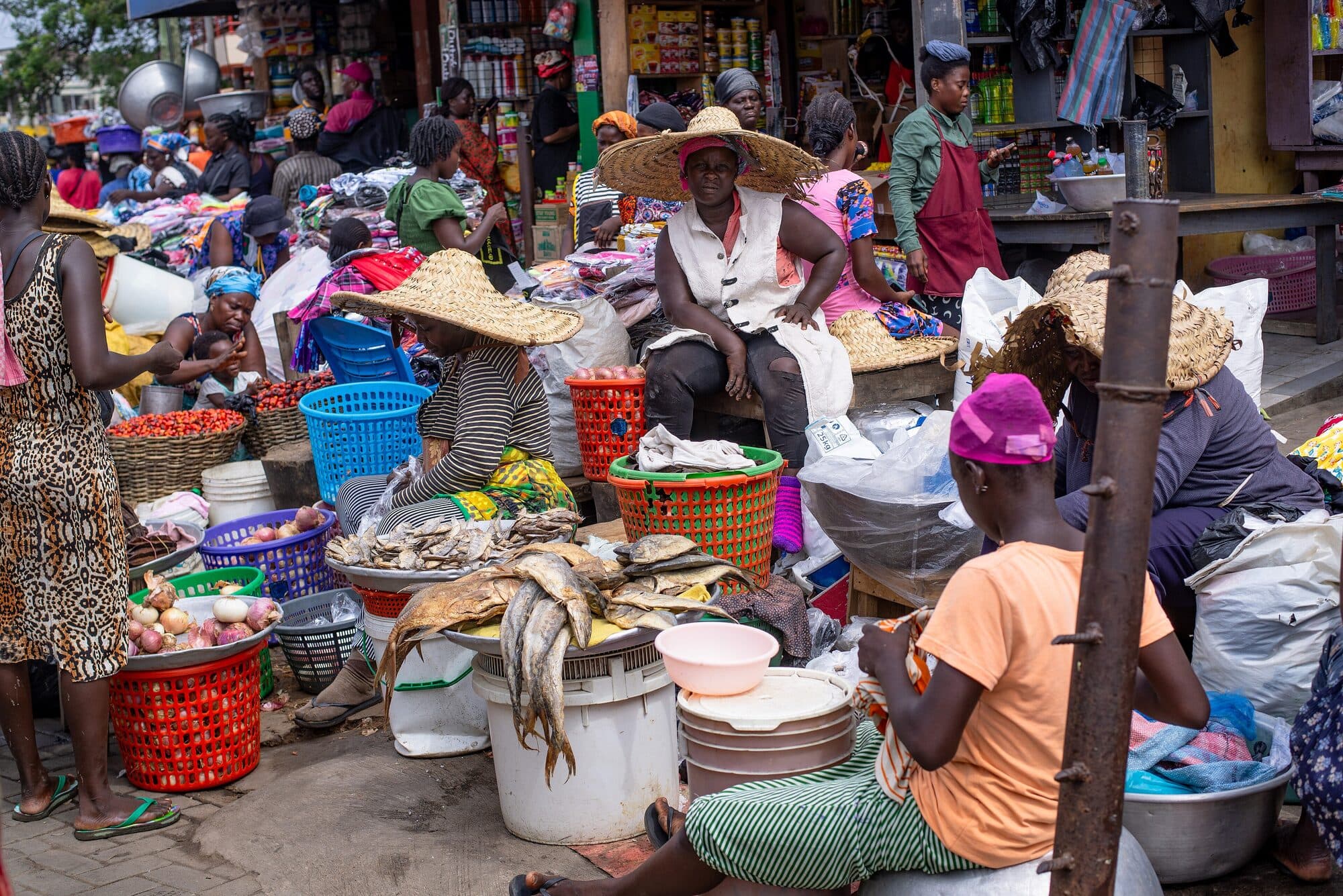
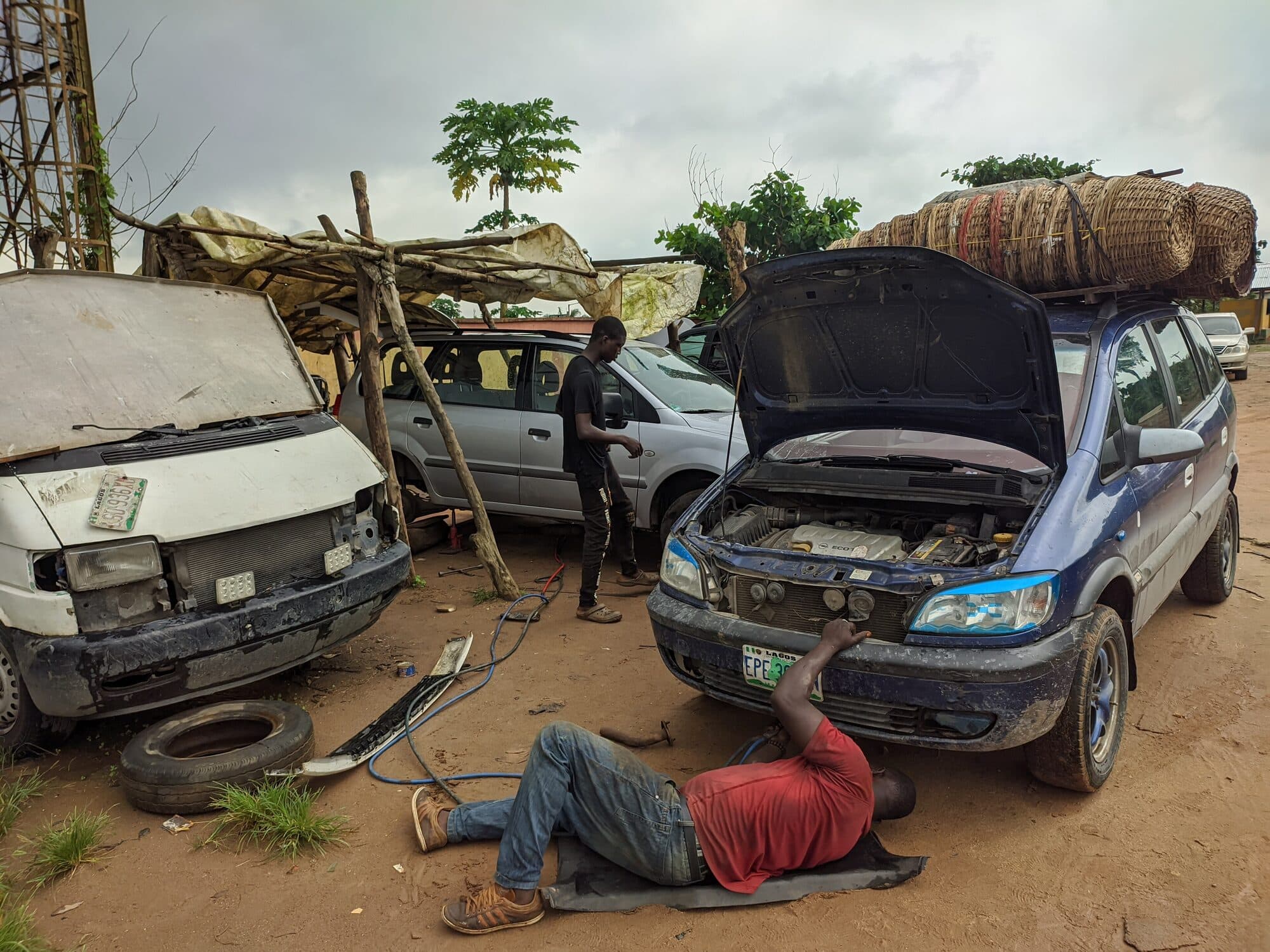
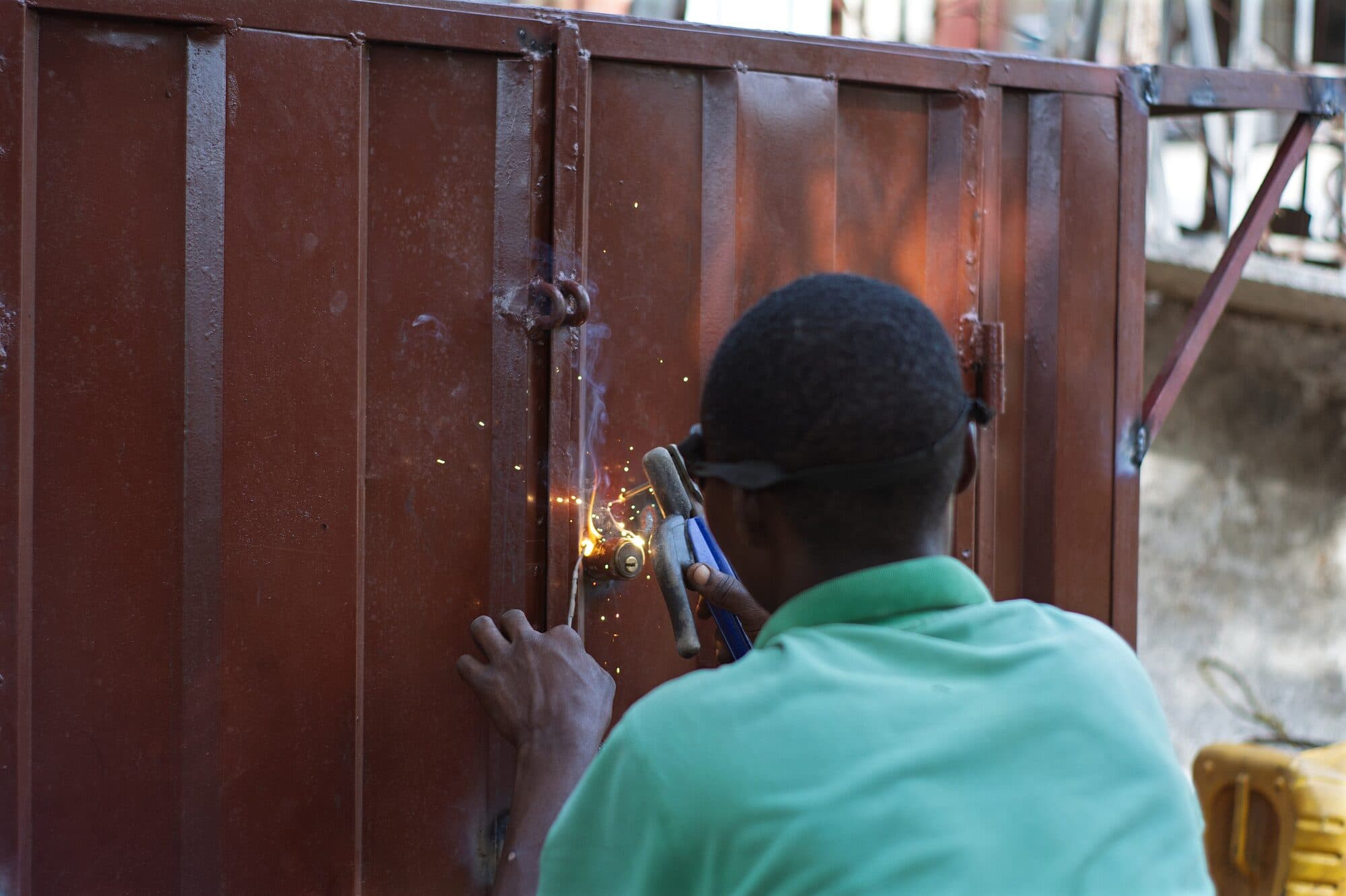
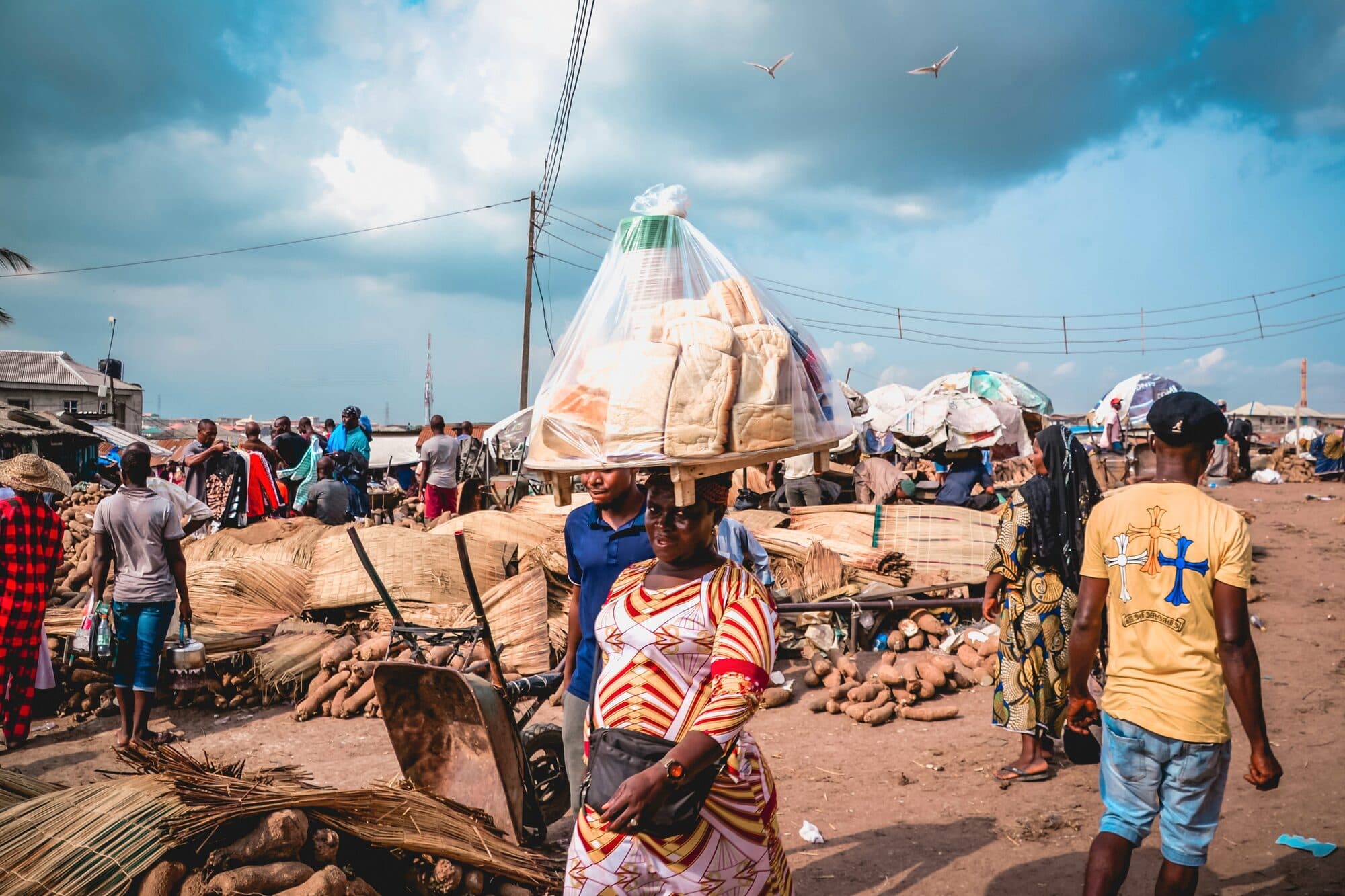
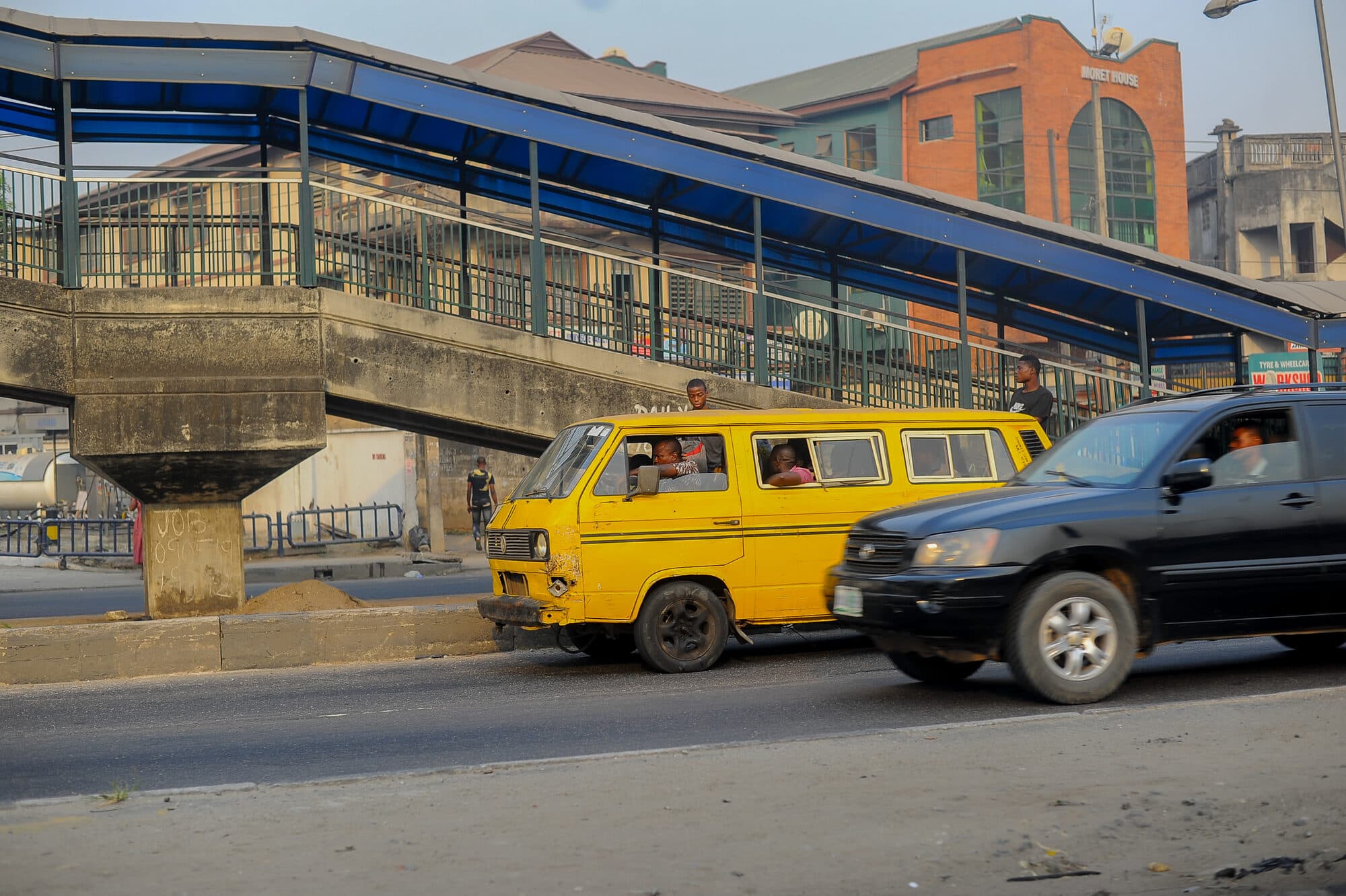
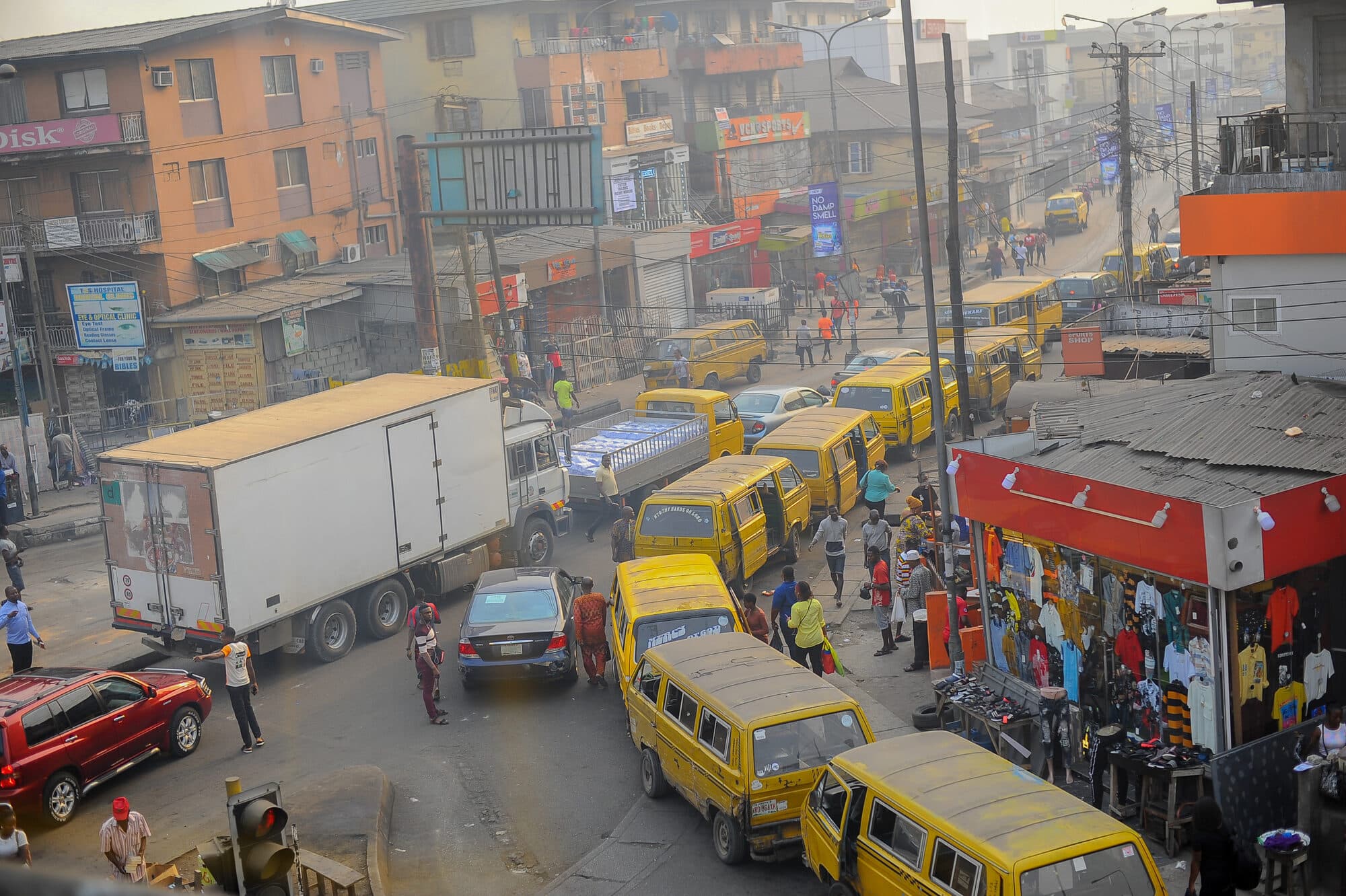
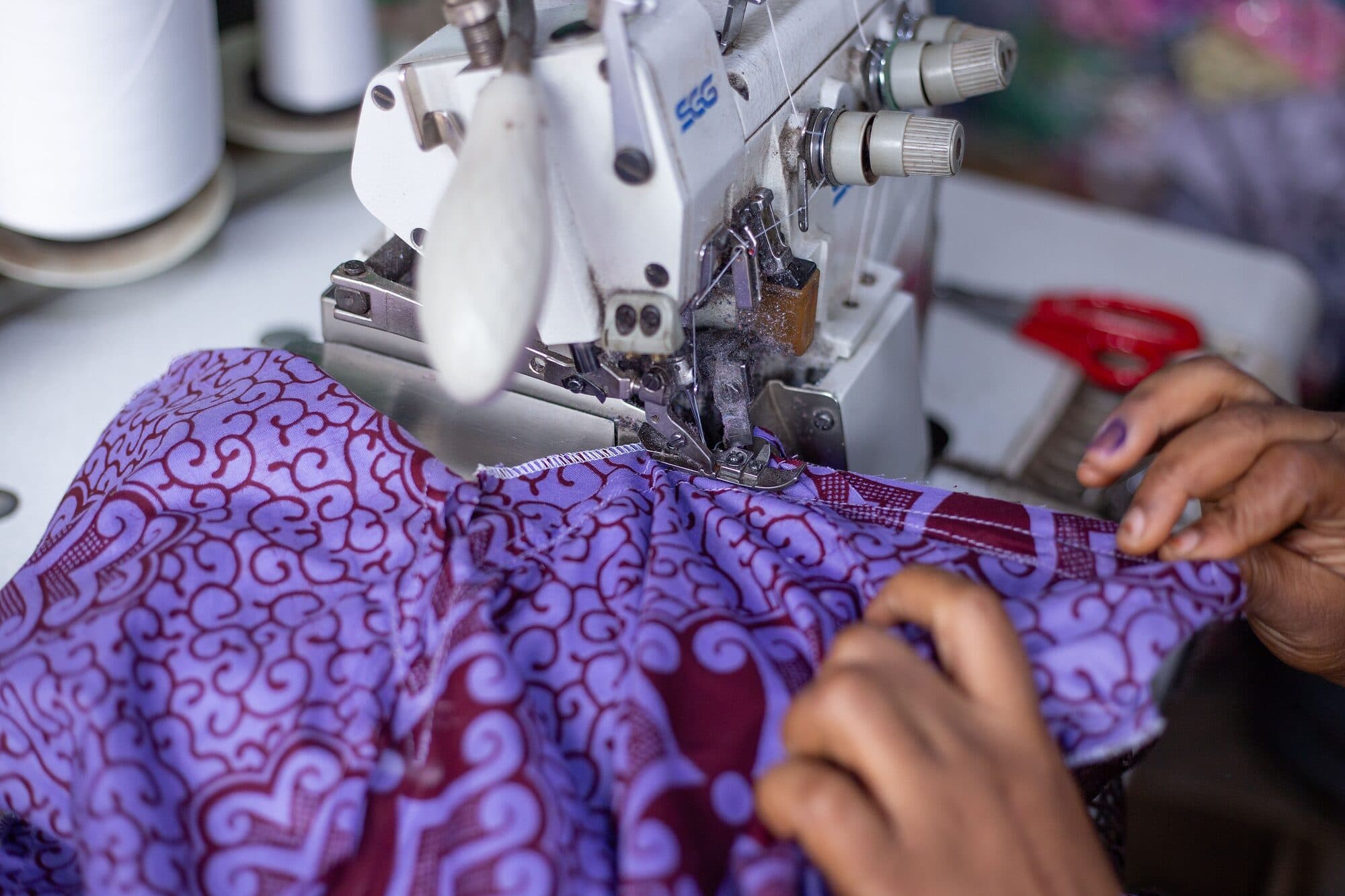

Four questions decide whether data is an asset or a liability.
Buyers in this market converge on the same test, and most suppliers fail it quietly — in aggregate assurances, in licences written for distribution rather than training, in rights holders who were never actually paid. We answer all four in writing, per asset, before anything ships.
- 01
Documented per asset
Every manifest row carries a consent reference and a licence reference resolving to a scanned, signed document. Provenance travels attached to the file, not in a separate assurance.
- 02
AI training named in the grant
Train, pre-train, fine-tune, validate, benchmark and evaluate — including generative models — and sublicensable onward through multiple tiers.
- 03
Producible on request
Consent is captured twice: a signed paper instrument and a verbal on-camera confirmation in the contributor's own language, against the same asset ID.
- 04
Contributors actually paid
Settled at the point of capture, with a payment reference tied to the assets it covers. Revenue share, where it applies, is written into the instrument.
Name any asset ID. We return the signed agreement behind it.
A live resolution from the register, not an illustration. Each link is a record an auditor can open.
- 01AssetTXA-LAG-EGO-000238-column manifest row
- 02ConsentTXA-AVR-0004Signed instrument plus on-camera verbal
- 03ContributorTXA-CTR-0002Identified rights holder
- 04LicenceAI training grantedSublicensable, multi-tier
- 05PaymentTXA-PAY-0002₦25,000 · Settled at the point of capture
The chain holds because of how the people in it were treated.
Provenance is a paperwork problem downstream and a labour problem upstream. A contributor recruited through a broker, paid out of someone else's margin, or told what the recording is for only after signing, produces an instrument that will not survive being read closely by anyone who wants it not to. Ours are recruited in person by an operator who comes back, paid in full on the day at a rate benchmarked to the trade being filmed, and keep title to what they made.
- 01
- RecruitmentContributors are recruited in person, at their own place of work, by an operator who comes back. There is no crowd panel, no labour broker and no intermediary taking a margin out of a fee we set.
- 02
- Training and calibrationEvery operator runs identical locked settings and the same slate procedure, and is calibrated against a reference lot before any of their material enters a delivery.
- 03
- What is actually paidA fee agreed before recording, benchmarked against a working day's earnings in the trade being filmed, paid in full on the day — whether or not the material is ever used or ever sells.
- 04
- Who we do not filmNobody under eighteen contributes. We do not recruit through an employer who stands to benefit from a worker's participation: a fee routed through someone with authority over the contributor is not freely accepted.
- 05
- What the contributor keepsTitle. We license, we do not buy out. A contributor may refuse a category of use at signature and the refusal is recorded against the asset rather than argued with.
Sourced, cleared, cleaned, annotated, delivered.
This is the whole operation, and it is stated twice at every stage — once for media, once for records — because how you clean a reel of tape and how you clean a table of transactions are not the same question, and a supplier who gives one answer for both has not done either. Stage four is the one buyers pay for without ever raising it in a meeting. It is written out here at the same length as the rest.
- 01
Source
Find who holds it and get into the room. Every line in this catalogue begins as a relationship rather than a download.
- Media
- Station managers, podcast networks, production houses and the event and commercial videographers who hold thirty years of ordinary life on tape — approached in person in Lagos, Ibadan, Douala and Yaoundé.
- Records & documents
- Institutions, professional firms and archive holders, approached with a written mandate naming exactly which records are wanted and what they are for. Nobody is asked to hand over data on the basis of an idea.
- 02
Clear
Reconstruct chain of title per asset and put a signed instrument behind it. This is the work, this is the cost, and this is why the material has never been licensed before.
- Media
- Production agreements read line by line, performers and contributors traced, third-party music and licensed inserts identified and removed, and a licence signed that names AI training in the grant and permits sublicensing onward through multiple tiers.
- Records & documents
- A data-sharing agreement with the holding institution, a de-identification schema agreed in writing before anything moves, and an NDPA 2023 assessment per tranche. Where a record class cannot clear, the tranche is declined rather than reduced.
- 03
Capture & digitise
Get it off the shelf and into one technical standard. Uniformity beats peak quality: a buyer's pipeline cares far more about every file being the same than about the best file in the set.
- Media
- Tape and film transferred at a fixed standard; originated capture runs locked identical settings across every operator — one resolution, one frame rate, one codec, no HDR — with a clap-synced second angle and lavalier audio on the subject.
- Records & documents
- 400 dpi colour scanning, deskewed, one page per image, TIFF master with a PDF/A compile. Structured records exported to a single schema with the data dictionary written alongside rather than reconstructed later.
- 04
Clean
The unglamorous half, and the half a buyer pays for without ever mentioning it in a meeting. Material arrives inconsistent. It leaves uniform, and every change made to it is written down.
- Media
- Deduplication, colour-bar and dead-air trimming, channel separation where the source allows, loudness normalisation to a stated target, corrupt-segment detection, and technical metadata extracted from the container rather than typed in by hand.
- Records & documents
- Deduplication, field normalisation, date and currency coercion, entity resolution across sources, and a null and outlier report shipped with the tranche. Every transformation applied is logged, so nothing about the delivered set is unexplained or unreproducible.
- 05
Annotate
The layer that turns cleared material into training data. To your schema where you have one, ours where you do not — and ours is published, not held back as leverage.
- Media
- Transcription with speakers attributed and code-switching preserved rather than tidied out; diarisation and overlap ratio; task, intent, objects handled, step timings and failure events — including the reasoning behind a change of method, which is the scarcest layer we produce.
- Records & documents
- Page regions and reading order, table structure, stamps and handwriting flagged, entity and field extraction, and schema validation on every row before it is allowed into a delivery.
- 06
Deliver
One format, one folder structure, rights already attached. Your ingest cost is our design constraint, not an afterthought we leave you to absorb.
- Media
- Manifest, annotations, rights pack, data card, proxies sized for a single download and masters on acceptance — by signed URL, bucket delivery or physical media.
- Records & documents
- Manifest, data dictionary, transformation log, rights pack and data card, in Parquet, CSV or JSONL against your stated schema.
One corridor, two language systems, one operator.
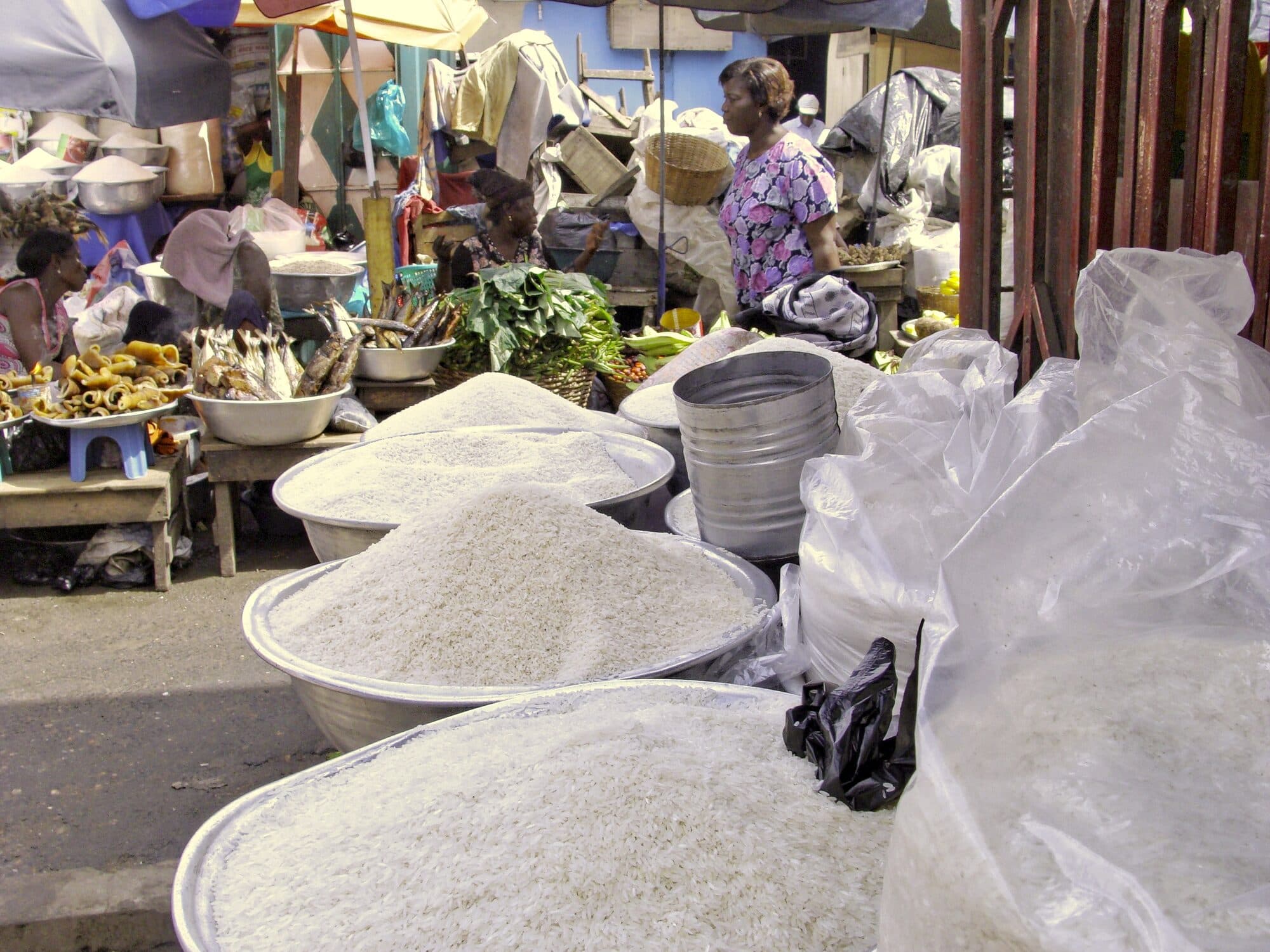
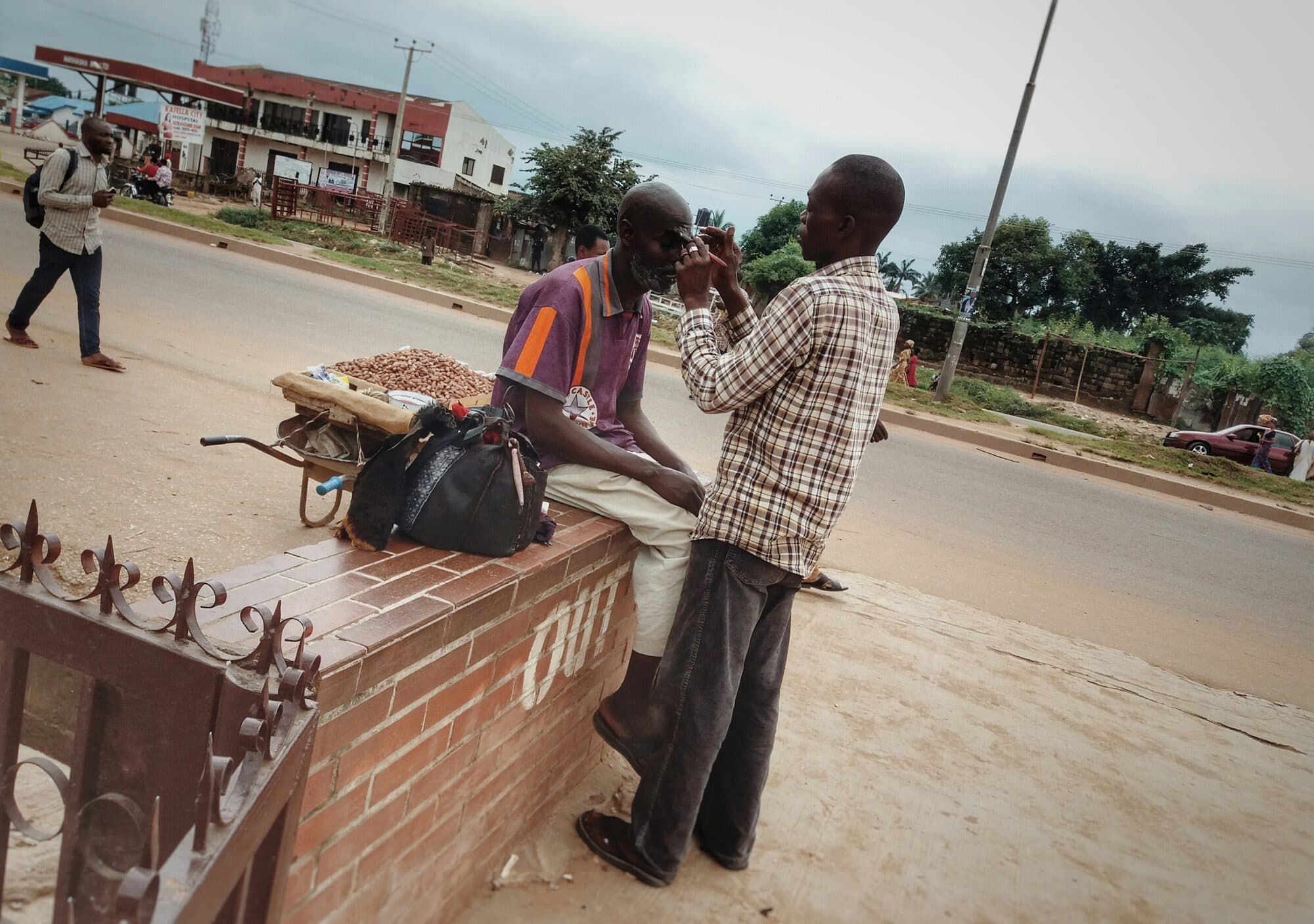
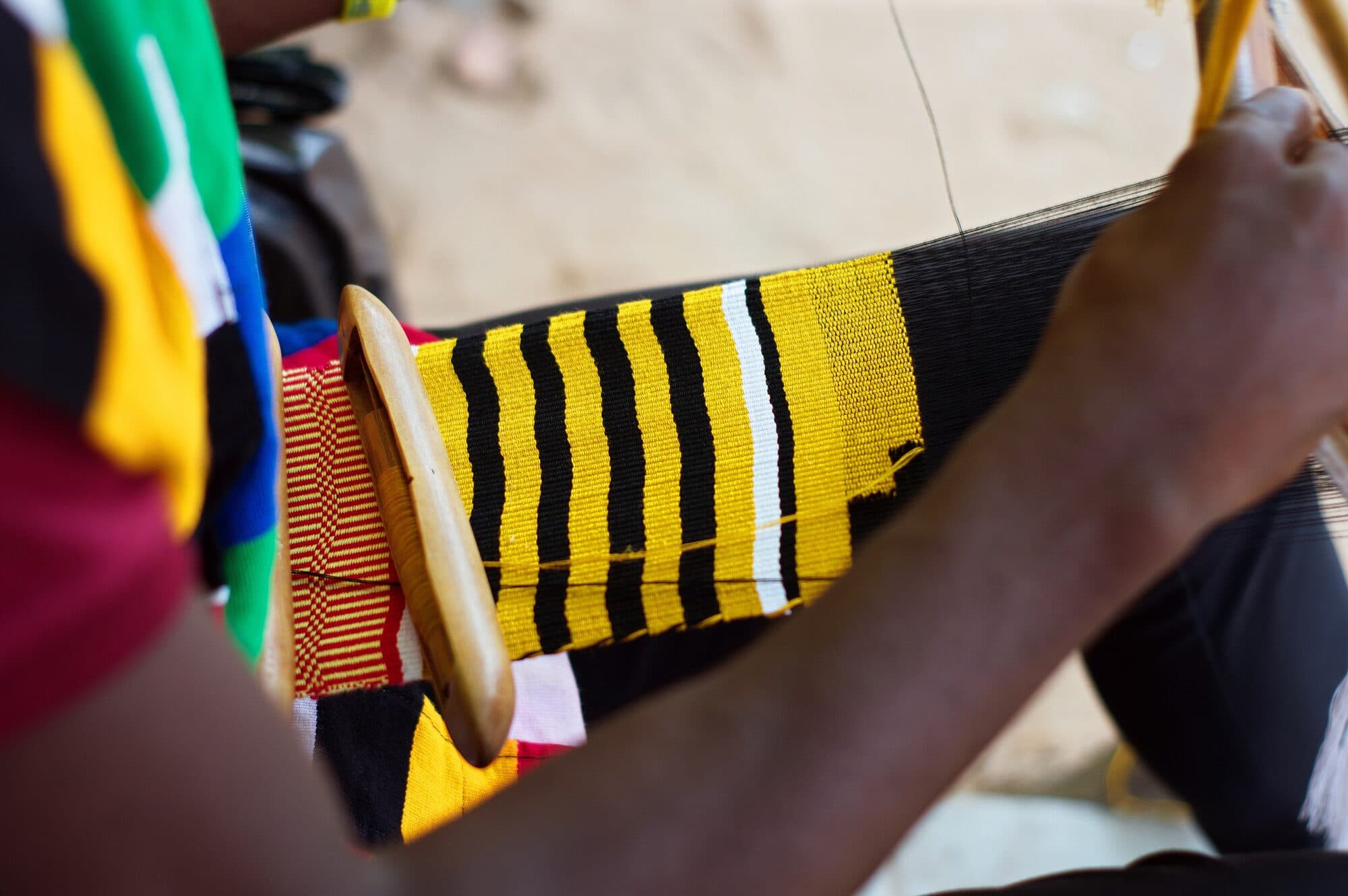
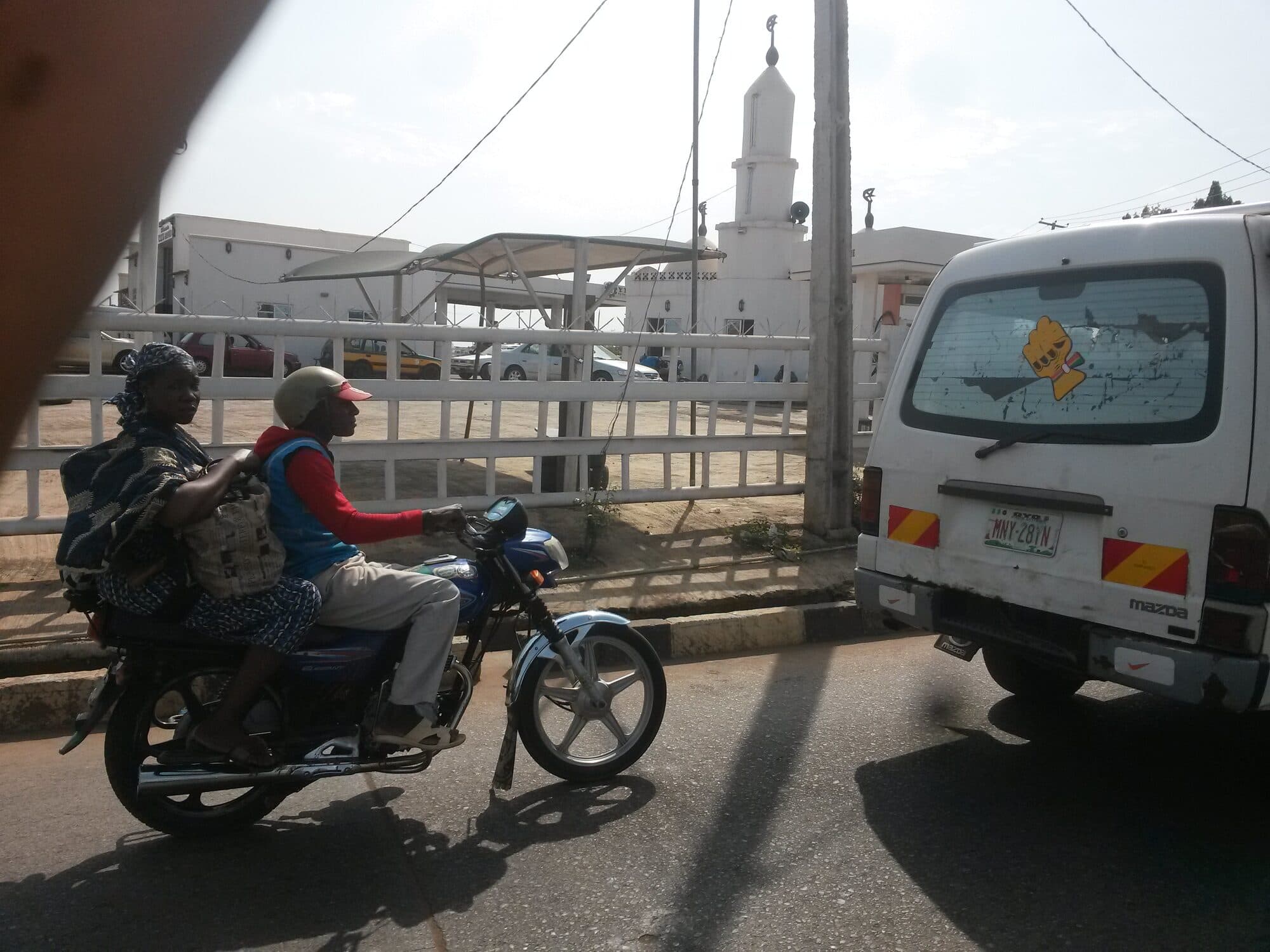
Most suppliers who reach Africa reach anglophone Africa. Texa is founded across both — Nigerian-registered and Lagos-based, with the founder's own network running through francophone Cameroon. That is why the corridor below is a single operating plan rather than two unrelated markets.




Hear it, read it, download it — before you email anybody.
Every data type we supply has a page carrying its delivery specification, its metadata schema and, where the material is cleared for it, a playable excerpt and a downloadable annotation. No NDA, no form, no call. What sits behind an NDA is the signed instruments and the masters, because the people in them agreed to be recorded for training rather than for a website.
If you are holding material, you are the other half of this business.
A supply house with a catalogue and no counterparties is a brochure. If you run a station, a podcast network, a production house, a professional firm, an estate agency or an institutional archive — and you have never licensed any of it — we fund the clearance and the preparation, you keep title, and you are paid out of what it earns. Nothing up front, no exclusivity by default.
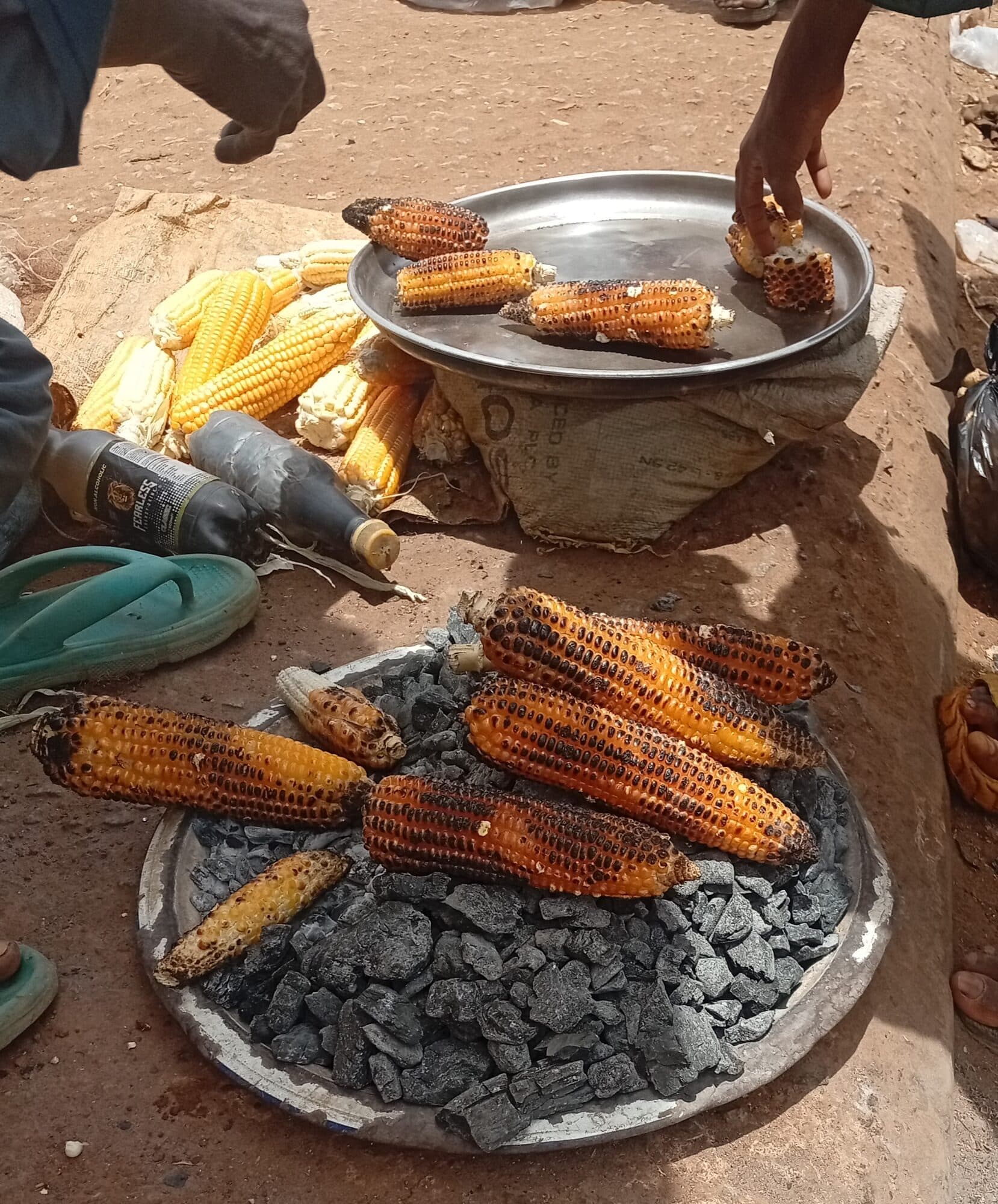
Tell us the spec. We will tell you what it costs to collect.
We work best against a written brief: an action schema, an environment list, a language set, a volume. If you have one nobody has been able to fill from an archive, that is the conversation we want.
- Pilot
- Fifty hours at production standard, two weeks from spec sign-off, priced at cost
- Price
- Quoted per delivered hour, below equivalent US or EU managed programmes
- Capacity
- Stated against operators trained and instruments signed, restated monthly
- Indemnity
- Texa warrants the rights it grants and indemnifies against rights-chain claims
- Samples
- Manifest schema and a complete annotation file are public — no NDA. Media and signed instruments follow one.