ASR and speech for languages the benchmarks skip
Word error rates in this corridor are not a modelling problem. They are a data problem, and the data was never collected.
The problem
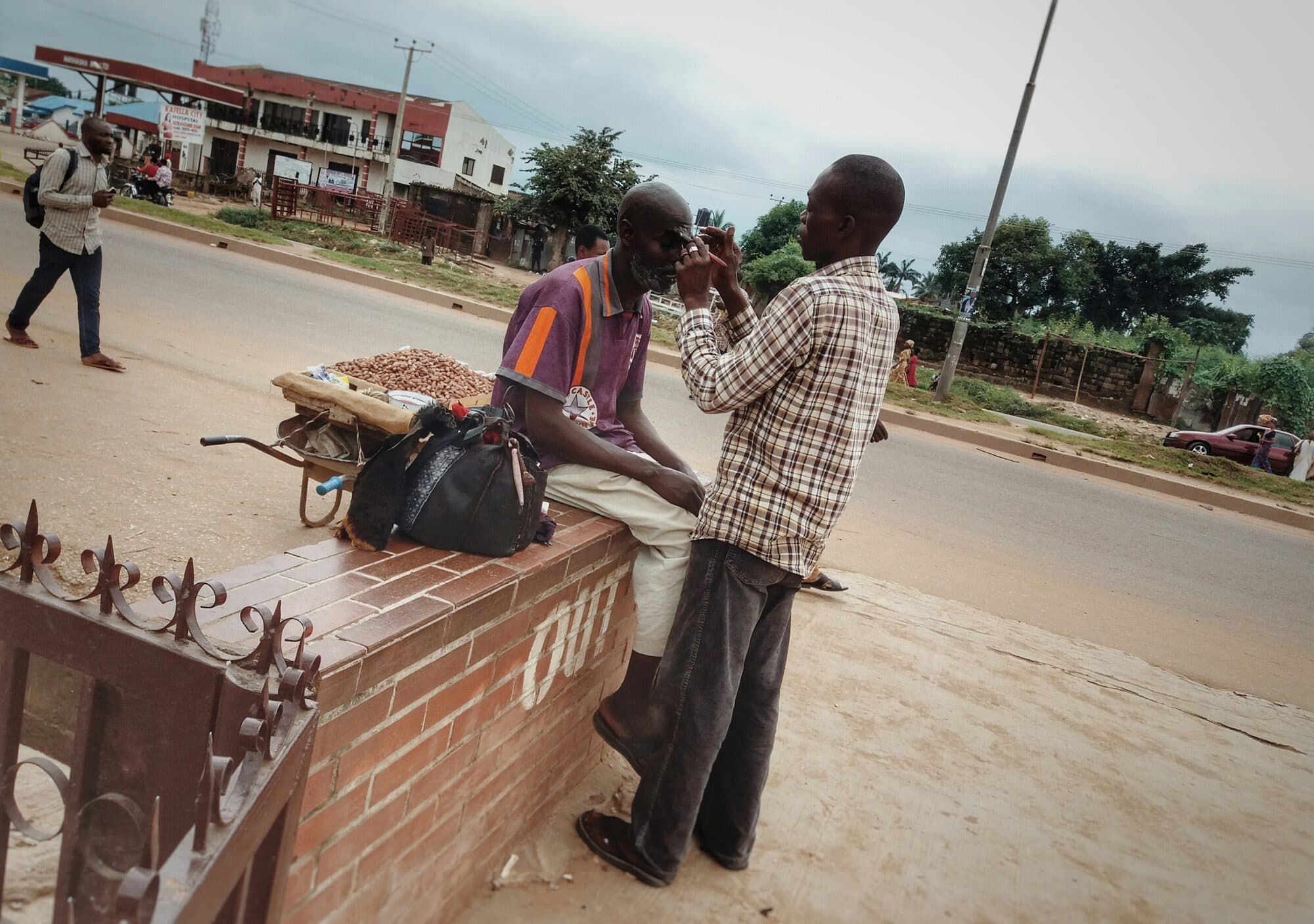
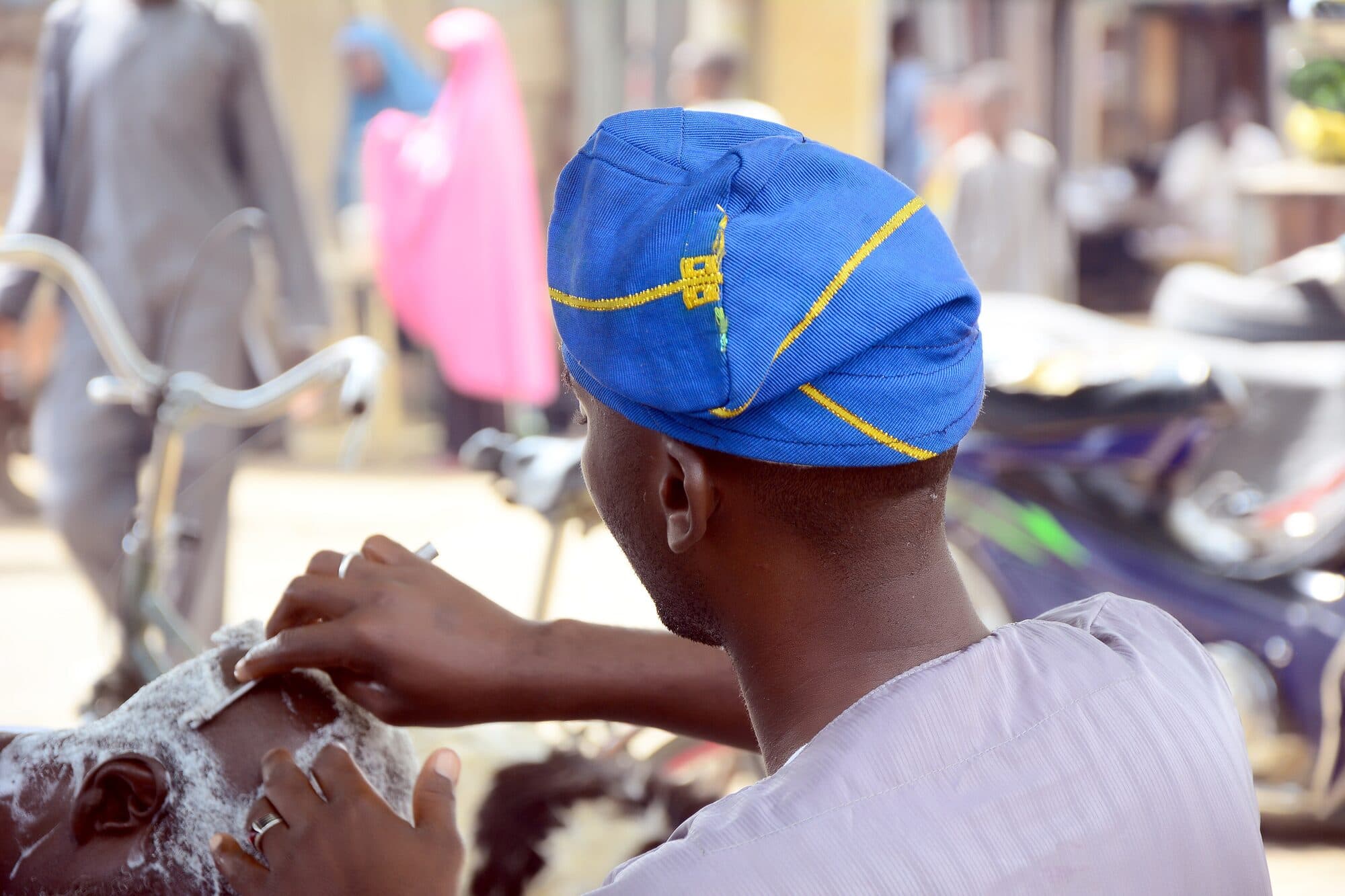
A speech model trained on the open corpora available for West and Central Africa learns a register that does not exist outside a recording prompt. The published material is overwhelmingly read speech: one speaker, one microphone, one sentence at a time, elicited from a script. It is clean, it is single-channel, and it is nothing like a market negotiation, a call-in radio segment or two mechanics talking over an engine.
So models ship with respectable benchmark numbers and fail in deployment on the three things that actually characterise speech here — overlap, interruption, and code-switching mid-clause between Pidgin, English and a local language. The benchmark did not contain them because the collection method could not produce them.
What we put against it
Two sources, and a buyer can take either or both. Cleared archive from radio talk and call-in programming, which is existing material and moves at the speed of a rights audit. And purpose-built capture on lavalier, which moves at the speed of a brief.
Both arrive channel-separated where the source allows, timestamped, speaker-attributed, with diarisation and overlap ratio in the metadata and code-switch events marked rather than normalised away. The transcript preserves the switch because the switch is the hard part.
What this has to satisfy
| Requirement | How it is met |
|---|---|
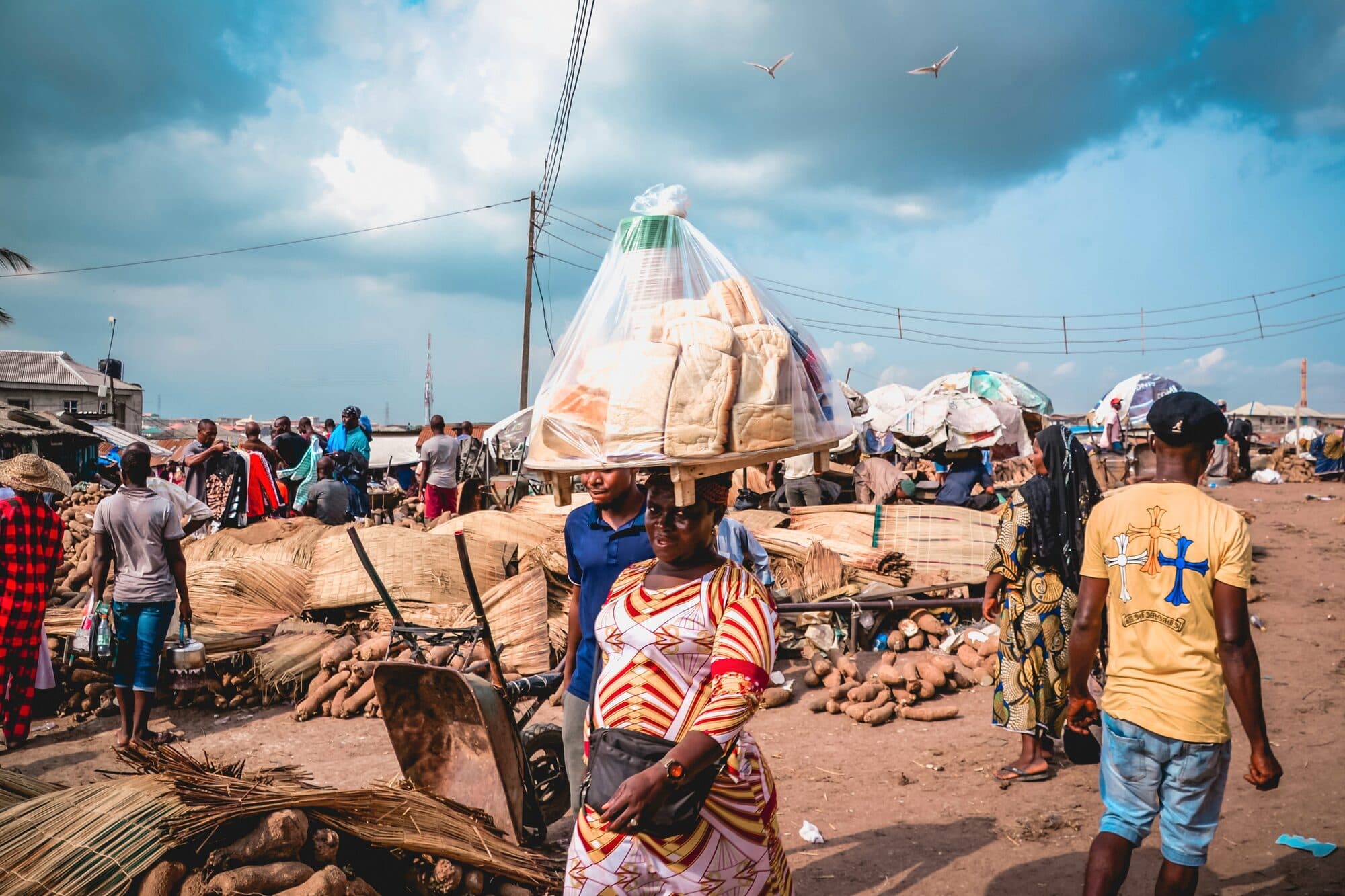
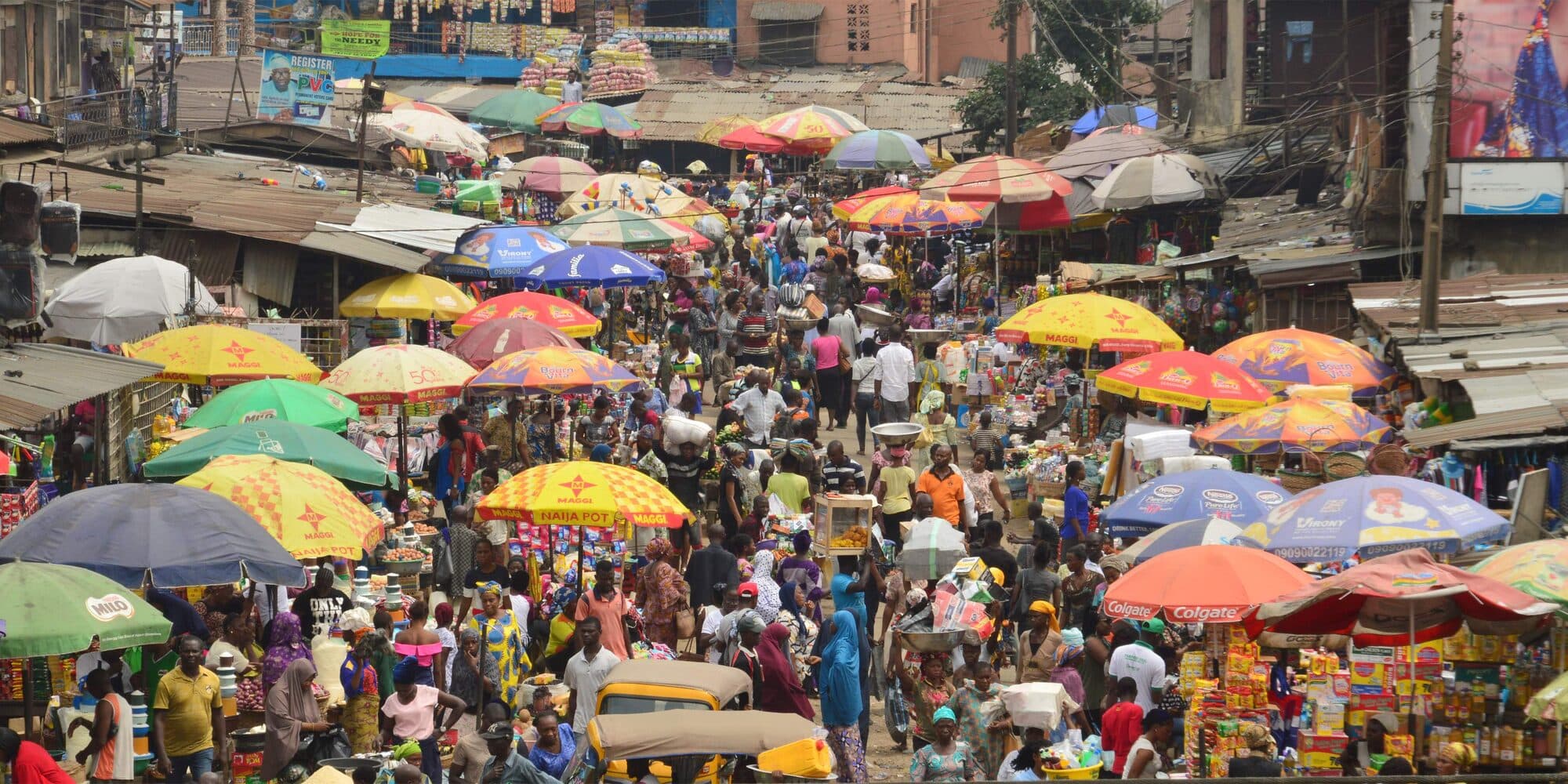
| Overlapping multi-speaker audio with real interruption | Call-in radio and market capture, channel-separated, overlap ratio reported per asset |
| Code-switching preserved rather than cleaned | Switch events marked inline in the transcript with the language on either side |
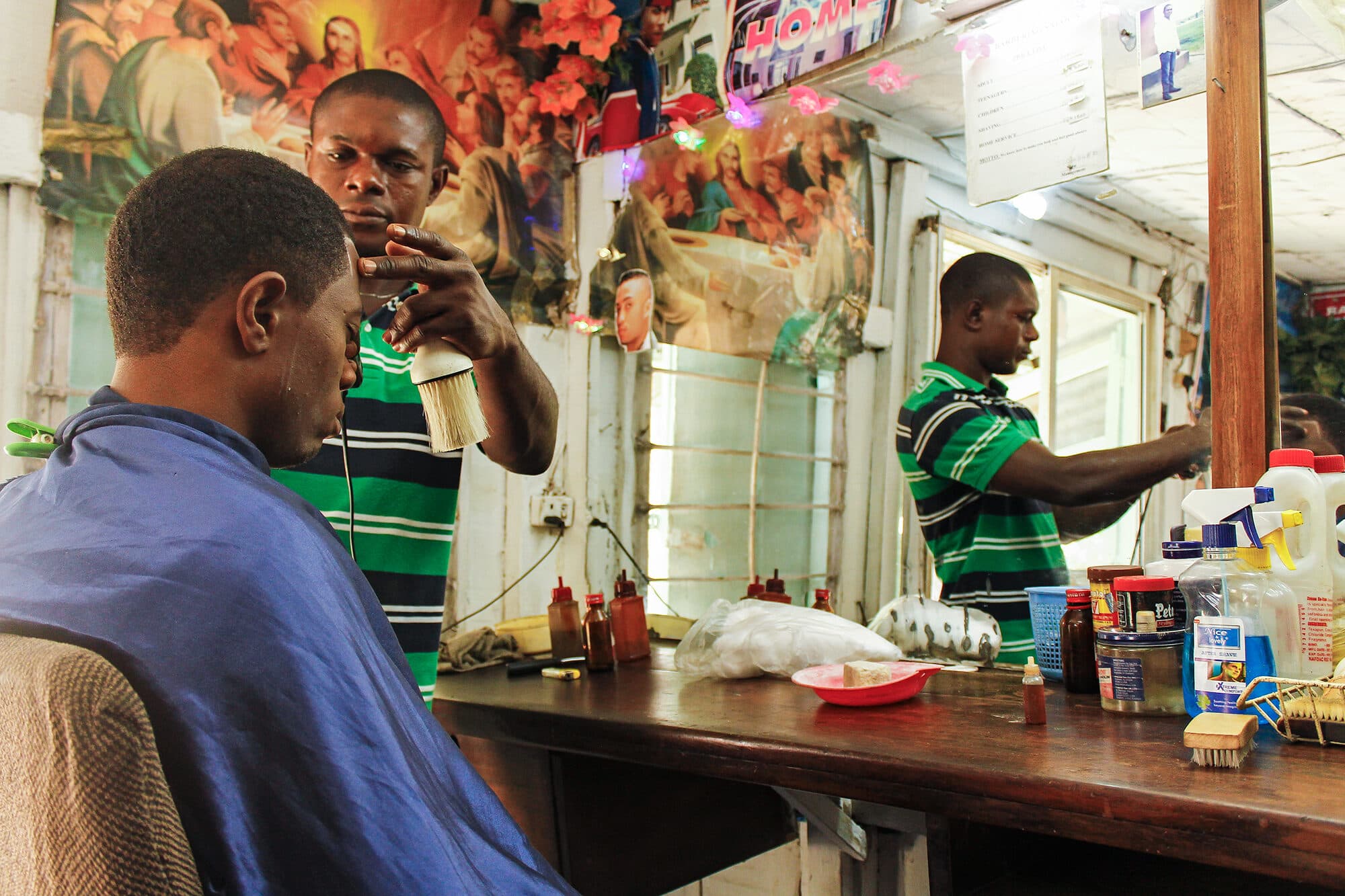
| Acoustic conditions that match deployment | Open-air, roadside and workshop capture with the noise floor documented, not removed |
| Rights that survive a legal review | Speaker consent naming commercial AI training and generative models, sublicensable onward |
What you can check first
- Sample before contract
- Published clips with transcript and annotation, downloadable without an NDA
- Manifest
- 38-column CSV per collection, exportable before you commit
- Consent chain
- Every asset resolves to a consent record and a paid contributor
- Languages
- Nigerian Pidgin, Nigerian English, Yoruba, Hausa, Igbo, Lingala, French, Wolof, Twi
Supply lines behind this
A solution is marked live only where a line behind it holds cleared material. Nothing sourced to mandate is presented as inventory.
Fifty delivered hours at production standard, two weeks from spec sign-off.
Other solutions
Post-training and evaluation outside the crawl
The web is not a sample of the world. For this corridor it is a sample of what got typed in English by people with a connection — and a model trained on it inherits that gap as confidence.

First-person work, including the part where it goes wrong
Manipulation policies generalise from the variety of hands, tools and failures they have seen. The open egocentric corpora are a fixed process in an industrial interior, filmed until it works.

Documents as they are actually filed
An extraction model that has only seen clean templates has not seen this corridor's paperwork — the stamp over the field, the third-generation photocopy, the form filled in two hands.